The Station Wagon Oracle
Picture this: It's 1978, and the Johnson family from Toledo, Ohio is planning their summer vacation. Dad spreads a road atlas across the kitchen table, Mom packs a cooler with bologna sandwiches, and the kids argue over who gets to sit by the window. Their destination? "Somewhere west." Their itinerary? "We'll figure it out when we get there."
This wasn't poor planning — it was the American way of travel for generations. Before smartphones turned every vacation into a militaristic operation of optimized routes and pre-booked experiences, families across the country embraced what we might now consider radical: the art of getting gloriously, wonderfully lost.
When Discovery Meant Actually Discovering Things
The great American road trip once operated on a simple principle: the best stories came from the unexpected detours. Families would spot a hand-painted sign for "World's Largest Ball of Twine" and suddenly find themselves 50 miles off their planned route, marveling at something no algorithm had recommended.
Roadside attractions thrived in this era of spontaneous tourism. The Wigwam Motel in Arizona, Wall Drug in South Dakota, and countless "Mystery Spots" across the country built their entire business model around capturing the attention of wandering travelers. These weren't destinations you researched for months — they were happy accidents that became the highlight of your trip.
Contrast that with today's travel culture, where every roadside stop has been photographed, reviewed, and ranked by thousands of previous visitors. The "World's Largest Ball of Twine" now has a 3.2-star rating on Google Maps and 247 photos. The mystery is gone before you even arrive.
The Motel Roulette Game
Perhaps nowhere was the spirit of travel adventure more evident than in the nightly ritual of finding a place to sleep. Families would drive until they were tired, then cruise main street looking for a motel with a vacancy sign. The decision often came down to gut instinct: Does this place look clean? Is the parking lot well-lit? Does the clerk seem friendly?
This wasn't reckless behavior — it was how travel worked. The interstate highway system, completed in the 1970s, had created a network of reliable motels and motor lodges designed specifically for this kind of spontaneous travel. Howard Johnson's, Holiday Inn, and countless independent motels competed not just on price, but on their ability to welcome the unexpected guest.
Today, the idea of showing up somewhere without a reservation seems almost irresponsible. We book accommodations months in advance, read dozens of reviews, and arrive with confirmation numbers and detailed check-in instructions. We've gained security and lost serendipity.
The Atlas as Adventure Guide
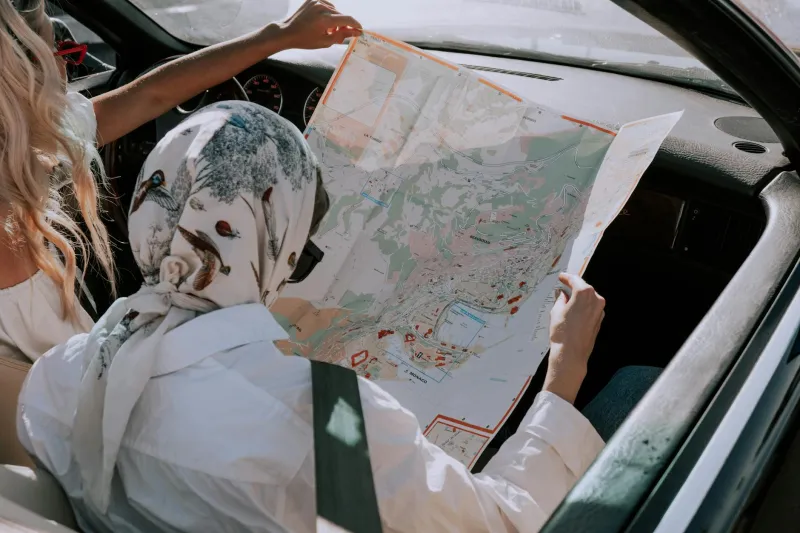
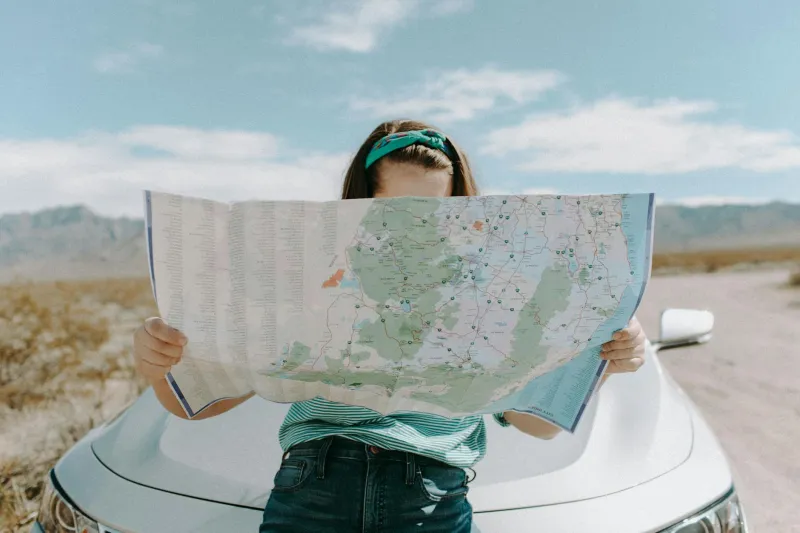
Before GPS turned navigation into a passive experience of following blue lines, reading a road atlas was an active skill that shaped how Americans thought about geography. Families would study their route options, debate scenic versus efficient paths, and mark interesting-looking towns to explore along the way.
The atlas encouraged a broader view of travel. Instead of following a single optimized route, travelers could see the web of possibilities spreading out from their starting point. That small town with the unusual name might be worth a detour. That state park symbol might indicate a perfect lunch spot. The journey itself became part of the adventure.
Modern GPS has eliminated the navigation challenge entirely. We follow the blue line, trust the algorithm to find the fastest route, and arrive at our destination having seen nothing but the road directly ahead. We've gained efficiency and lost the joy of discovery that came from actually looking at where we were going.
What We've Traded Away
Today's vacation planning process has become a research project. We spend hours reading reviews, comparing prices, and optimizing itineraries. We arrive at destinations knowing exactly what to expect, having seen dozens of photos and read countless opinions. The vacation begins to feel like checking items off a predetermined list rather than embarking on an adventure.
This shift reflects broader changes in how Americans approach uncertainty. We've become a culture that values information over experience, optimization over exploration. The idea of driving somewhere without knowing exactly where you'll sleep or eat now seems not adventurous but anxious.
The Lost Art of Getting Found
The era of spontaneous American travel wasn't just about different technology — it represented a fundamentally different relationship with uncertainty. Families were comfortable with not knowing exactly what their vacation would hold because they trusted their ability to figure it out along the way.
That confidence came from a travel infrastructure designed to support spontaneity. Gas stations had attendants who could recommend local attractions. Diners had waitresses who knew which motel down the road was worth your money. Tourist information centers actually had local people who could suggest hidden gems.
While we can't turn back the clock on travel technology, we can recognize what we've lost in our rush to optimize every moment of our vacations. Sometimes the best discoveries still come from taking the exit you hadn't planned on, talking to the local who knows something Google doesn't, and embracing the possibility that getting a little lost might be exactly what you needed.