America's Patience Economy: When Wanting Something Meant Waiting Months to Actually Have It
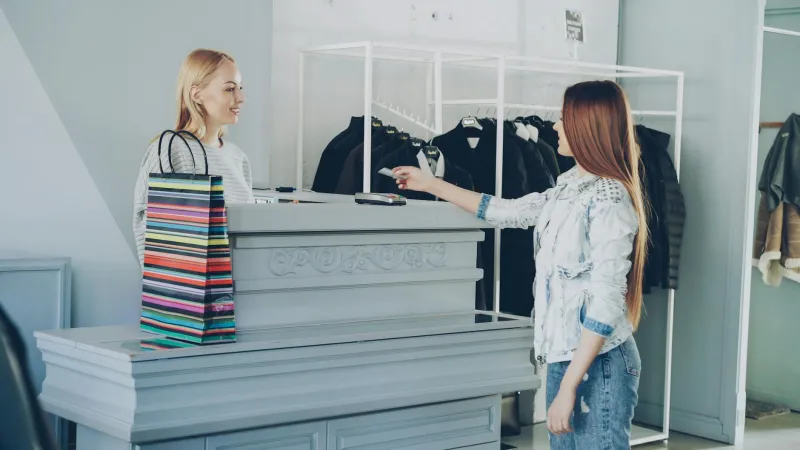
Walk into any department store in 1960s America and you'd find something that would puzzle modern shoppers: a layaway counter, where people made payments on items they couldn't take home yet. This wasn't a sign of economic hardship—it was the backbone of middle-class purchasing, a system that taught entire generations that wanting something and having it were two very different things.
The Discipline of Delayed Ownership
Layaway worked with beautiful simplicity. You'd spot that winter coat in August, make a small down payment, then return every few weeks to chip away at the balance. Only when the final payment was made could you walk out with your purchase. No interest, no debt, no credit checks—just patience, planning, and the gradual satisfaction of earning ownership.
Department stores like Sears, Montgomery Ward, and local retailers built entire business models around this deferred gratification. Their layaway departments were bustling hubs where families managed multiple purchases simultaneously—school clothes in summer, Christmas gifts in October, furniture for next spring's redecorating.
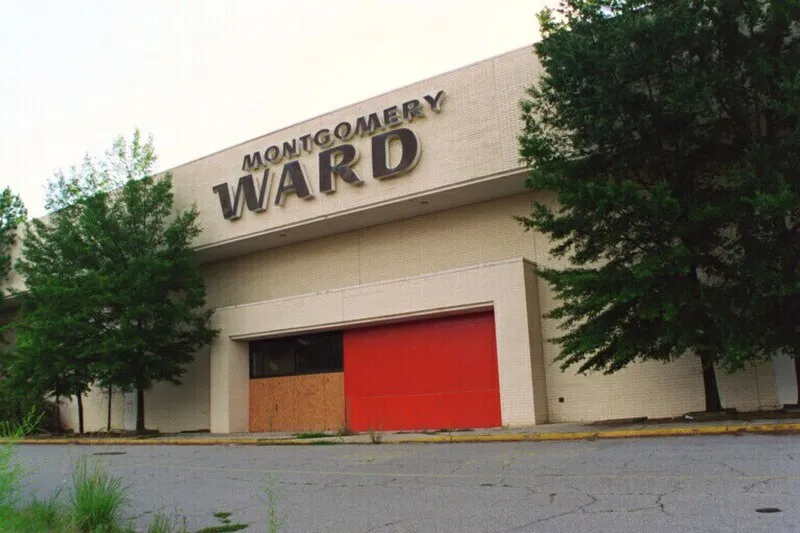 Photo of Montgomery Ward, via Wikidata/Wikimedia Commons
The Psychology of Earned Ownership
This system created a fundamentally different relationship with material goods. When you spent three months paying for a television set, that TV became precious in ways that modern consumers might find hard to understand. You'd researched the purchase, saved for it, visited it regularly at the store, and invested emotional energy in the process of acquisition.
Children grew up understanding that big purchases required planning and sacrifice. A bicycle wasn't something you got because you wanted it—it was something you earned through the family's commitment to the layaway plan. This created what psychologists now recognize as increased satisfaction and decreased buyer's remorse.
The Social Ritual of Layaway
Layaway departments became informal community centers. Regular customers knew each other, sharing advice about products and comparing progress on their payments. Store clerks developed relationships with families, knowing their financial situations and helping them time purchases around seasonal sales or family budgets.
These interactions created accountability and support systems. Mrs. Johnson might encourage the young couple to stick with their appliance layaway plan, while the clerk might call to remind customers about final payments or upcoming sales that could affect their purchases.
The Credit Card Revolution
Everything changed in the 1970s and 1980s when credit cards transformed from specialty financial tools into universal payment methods. Why wait three months for a stereo when you could take it home today and pay later? The instant gratification that credit offered seemed like pure improvement—until Americans discovered the hidden costs.
Credit cards eliminated the natural spending brakes that layaway provided. The pause between wanting and having, the regular store visits, the gradual payment process—all disappeared in favor of immediate satisfaction backed by borrowed money. What felt like liberation was actually the beginning of America's relationship with consumer debt.
The Numbers Tell the Story
In 1960, the average American household had virtually no credit card debt. By 2020, that figure had reached over $6,000. Meanwhile, personal savings rates dropped from double digits in the layaway era to barely 3% before the 2008 financial crisis. The patient purchasing power that layaway represented had been replaced by impatient borrowing.
Layaway purchases were limited by actual income—you could only buy what you could afford to pay for over time. Credit cards removed that constraint, allowing people to purchase based on optimistic projections of future earnings rather than current financial reality.
Modern Echoes of an Old System
Interestingly, layaway never completely disappeared. During economic downturns—2008, 2020—retailers saw renewed interest in these old-school payment plans. Walmart, Kmart, and other chains still offer layaway programs, particularly during holiday seasons when families want to secure gifts without accumulating debt.
Buy-now-pay-later services like Afterpay and Klarna represent a digital evolution of layaway principles, though with crucial differences. These services provide immediate gratification (you get the product right away) while splitting payments over time, combining the worst aspects of both systems—instant gratification with future financial obligation.
The Wisdom of Waiting
The layaway generation understood something that modern consumers have largely forgotten: the difference between wanting and needing, and the satisfaction that comes from earning rather than borrowing. Their purchases were more deliberate, more valued, and more financially sustainable.
This wasn't about being poor or lacking access to credit—it was about a different philosophy of consumption. Good things were worth waiting for, and the wait itself made the eventual ownership more meaningful. A dress you'd visited at the store for two months felt different from one you'd ordered online and received the next day.
The Price of Instant Everything
Today's buy-now culture has given us unprecedented convenience and choice, but at the cost of financial discipline and purchase satisfaction. We can have almost anything we want within days or hours, but studies show we value these instantly-acquired possessions less than previous generations valued their carefully-planned purchases.
The layaway system taught natural budgeting, delayed gratification, and the true cost of ownership. Modern credit systems teach that you can have everything now and figure out payment later—a philosophy that has reshaped American household finances and contributed to record levels of consumer debt.
Perhaps the real revolution wouldn't be new payment technology, but a return to the old wisdom that some things are worth waiting for, and that the anticipation of ownership can be as satisfying as the ownership itself.