The Daily Hunt for Dinner: How Americans Once Built Their Lives Around Finding Food
The Daily Hunt for Dinner: How Americans Once Built Their Lives Around Finding Food
Step into any modern American supermarket and you'll find 40,000 different products waiting under fluorescent lights. Grab a cart, cruise the aisles, scan your items, and drive home with a week's worth of meals in under an hour. It's so routine we barely think about it.
But rewind to 1920, and the simple act of feeding your family looked nothing like today's shopping experience. There were no sprawling grocery stores, no one-stop shopping, and definitely no self-checkout lanes. Instead, Americans navigated a complex network of specialized shops, personal relationships, and daily errands that made grocery shopping a full-time commitment.
When Every Shop Had One Job
In the early 20th century, American neighborhoods operated like food ecosystems. Each merchant specialized in one category, and each category required a separate trip. Your weekly shopping routine might include:
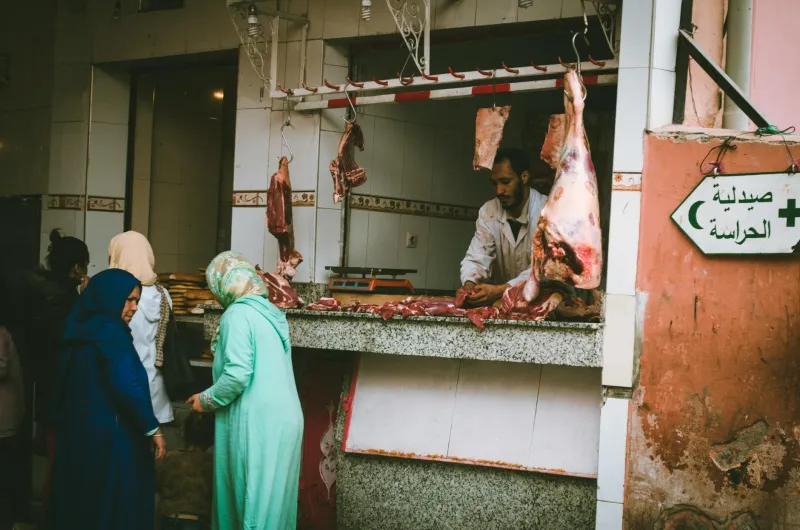
The butcher shop, where you'd discuss cuts of meat with someone who knew your family's preferences and budget. The iceman, who delivered frozen blocks to keep your icebox cold enough to preserve perishables for maybe two days. The dry goods store for flour, sugar, and canned items. The dairy, where milk came in glass bottles and cream was skimmed fresh. The produce vendor, often working from a horse-drawn cart that announced its arrival with bells and shouting.
This wasn't quaint small-town charm – it was economic necessity. Without refrigeration technology, centralized distribution networks, or mass production, food had to be sourced locally and consumed quickly.
The Economics of Eating
Shopping this way required financial skills that most Americans have completely forgotten. You couldn't just grab whatever looked good and worry about the total at checkout. Every purchase was a negotiation, every relationship an investment in your family's future meals.
Credit wasn't a plastic card – it was a handwritten ledger the shopkeeper maintained based on your reputation and payment history. Running a tab with the butcher meant he needed to trust you'd settle up on payday. Some families paid weekly, others monthly, but everyone understood that their creditworthiness in the neighborhood depended on honoring these informal agreements.
Prices fluctuated constantly based on seasonal availability, weather, and local supply chains. A housewife in 1925 needed to track the cost of staples like a modern day trader, knowing when to stock up on flour during harvest season or when to substitute ingredients based on what was affordable that week.
The Social Currency of Food Shopping
These shopping relationships created a social fabric that extended far beyond commerce. Your butcher knew your family's eating habits, your financial situation, and probably your personal business. The produce vendor might save the best apples for loyal customers or extend credit during tough times. The dairy owner's recommendations carried weight because his reputation depended on quality.
This system created accountability on both sides. Merchants who cheated customers or sold inferior products couldn't survive in tight-knit neighborhoods where word traveled fast. Customers who didn't pay their bills found themselves cut off from essential services.
Women, who handled most household purchasing, developed sophisticated networks of information sharing. They'd compare prices, share tips about which shops had the freshest goods, and warn each other about merchants to avoid. This informal intelligence network was essential for managing household budgets effectively.
When Seasonal Actually Meant Seasonal
Without global supply chains and industrial preservation methods, American eating patterns followed natural rhythms that seem almost alien today. Strawberries existed for a few weeks in late spring. Apples were stored in root cellars and gradually lost their crispness through winter. Fresh vegetables disappeared entirely for months at a time.
Families planned their finances around these cycles. Canning season required upfront investment in jars, sugar, and equipment, but it was essential for winter survival. Root vegetables like potatoes and turnips weren't trendy superfoods – they were the difference between eating and going hungry during cold months.
The cost of out-of-season foods was prohibitive for most families. A orange in January might cost the equivalent of $15 in today's money, making it a luxury item rather than a casual snack.
The Transformation
The first true supermarket, King Kullen, opened in Queens, New York in 1930, promising "Pile it high, sell it cheap." But it took decades for this model to spread nationwide and transform American shopping habits.
The change wasn't just about convenience – it fundamentally altered how Americans related to food and money. Bulk buying became possible. Comparison shopping happened in one location. Brand loyalty replaced personal relationships. Credit moved from handwritten ledgers to corporate systems.
What We Lost in Translation
Today's grocery shopping offers unprecedented variety, convenience, and year-round availability of foods from around the world. But this transformation came with trade-offs that weren't immediately obvious.
We lost the deep seasonal knowledge that helped previous generations eat well on tight budgets. We lost the personal relationships that provided both credit flexibility and quality accountability. We lost the daily community interactions that made food shopping a social experience rather than a chore.
Most significantly, we lost the direct connection between our food choices and their true costs. When every purchase required face-to-face negotiation with the person who sourced your food, the economics of eating remained visible and immediate.
The next time you breeze through a supermarket's automatic doors, consider the revolution that made it possible. What feels like progress to us would have seemed like magic to Americans who once built their daily routines around the simple, complex task of keeping their families fed.