Dinner and Two Shows: When American Movie Theaters Served Up Five Hours of Entertainment for the Price of One Ticket
The Palace Where Time Stood Still
Step into the Paramount Theater in downtown Oakland on a Saturday evening in 1947, and prepare to surrender your entire night to the movies. Your 75-cent ticket doesn't just buy you a seat—it purchases passage into a five-hour journey through American entertainment that won't end until well past midnight.
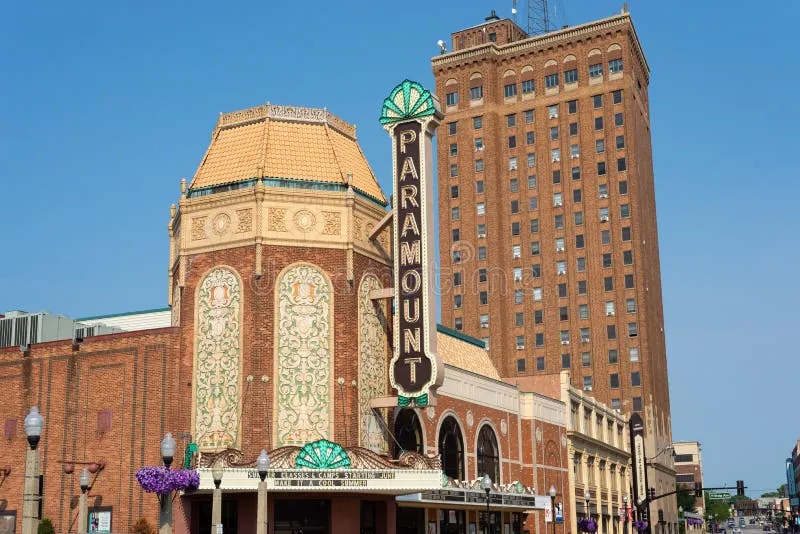 Photo: Paramount Theater, via thumbs.dreamstime.com
First comes the Pathé newsreel, bringing you face-to-face with the week's biggest stories from Washington and Hollywood. Then a Looney Tunes cartoon featuring Bugs Bunny outwitting Elmer Fudd for the thousandth delightful time. A short subject about deep-sea fishing or the wonders of modern agriculture follows, and finally—after you've been in your red velvet seat for nearly an hour—the opening credits of the main feature begin to roll.
But you're only halfway through your evening at the movies.
When Going to the Pictures Meant Staying for the Pictures
The double feature wasn't an accident or a marketing gimmick—it was the backbone of American cinema exhibition from the 1930s through the 1950s. Theater owners understood something that today's multiplex executives seem to have forgotten: people came to the movies not just to see a specific film, but to escape into a complete entertainment experience.
The typical moviegoing experience began around 7 PM and didn't end until nearly midnight. Between the two main features came the intermission—a 15-minute break that sent audiences streaming into the lobby to buy popcorn, use the restroom, and socialize with neighbors they'd run into in the dark.
This wasn't just entertainment; it was a social institution. Families planned their Saturday evenings around the movie theater the way they might plan around church on Sunday. The local cinema served as community center, cultural hub, and escape hatch from the ordinary world, all rolled into one.
The Architecture of Patience
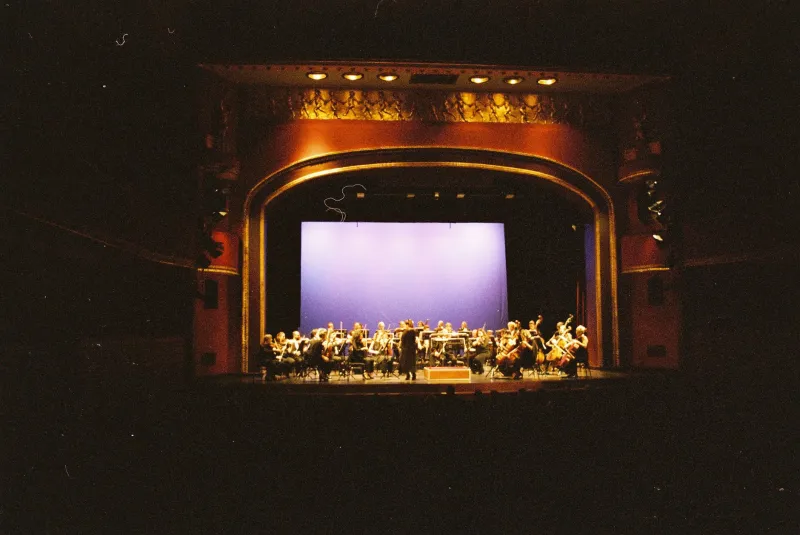
Movie palaces of the era were designed for long stays. The Paramount, the Fox, the Orpheum—these weren't just screening rooms but elaborate fantasies built in marble and gilt. Thick carpets muffled footsteps, ornate ceilings drew eyes upward, and spacious lobbies encouraged lingering.
Theater owners invested in comfort because they knew their customers would be settling in for the long haul. Seats were wider and more plushly upholstered than anything you'd find in today's stadium-style multiplexes. Ushers with flashlights guided latecomers to open seats and maintained order during the lengthy programs.
The intermission wasn't just a bathroom break—it was an integral part of the evening's entertainment. Couples used it to discuss the first feature and predict the outcome of the second. Children traded candy and compared notes on their favorite cartoon characters. Teenagers found excuses to bump into each other near the concession stand.
When Movies Came With Context
The newsreels that opened every program served as America's primary source of visual information about the wider world. Long before television news, these 10-minute segments brought audiences face-to-face with events happening thousands of miles away. You might see President Truman signing legislation, followed by footage of a factory opening in Detroit, followed by scenes from the latest Hollywood premiere.
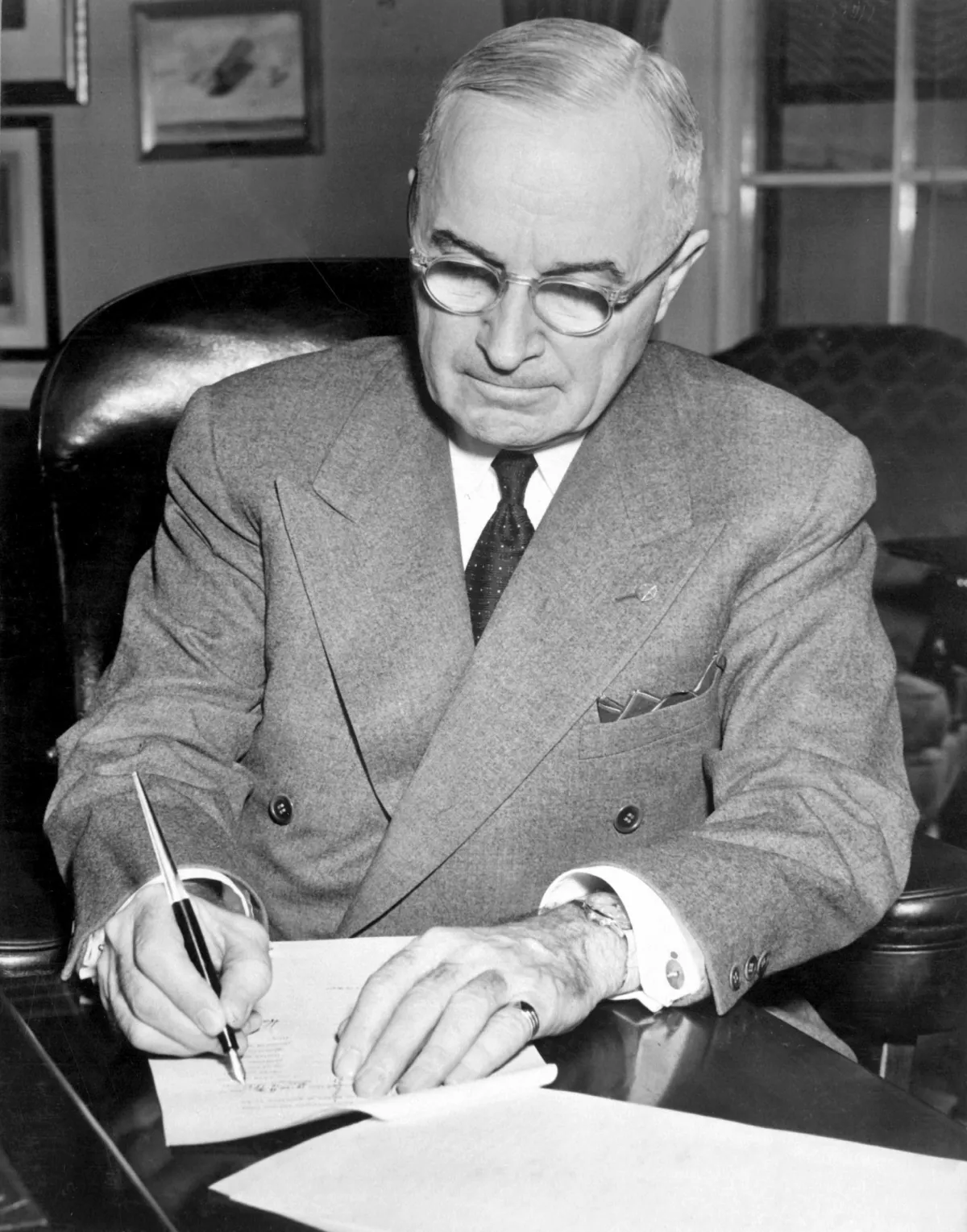 Photo: President Truman, via www.historyonthenet.com
The short subjects that followed weren't filler—they were carefully curated pieces of Americana that educated and entertained simultaneously. "The Passing Parade" series taught audiences about historical events. "Pete Smith Specialties" offered humorous takes on modern life. "The March of Time" provided in-depth looks at contemporary issues.
By the time the main feature began, audiences had been thoroughly prepared for an evening of storytelling. They'd caught up on current events, laughed at familiar cartoon characters, and learned something new about the world. The movies weren't just entertainment—they were a complete media experience.
The Death of the All-Night Movie
Television killed the double feature as surely as it killed the corner drugstore's soda fountain. Why spend five hours at the theater when you could watch "I Love Lucy" from your living room couch? By the 1960s, the elaborate movie palaces were being torn down or carved up into smaller screening rooms.
The multiplex revolution of the 1970s delivered the final blow to the old moviegoing experience. These new theaters were designed for efficiency, not lingering. Multiple smaller screens meant more showtimes, which meant faster turnover, which meant higher profits per square foot.
Today's average movie runs 90 minutes, and audiences are expected to arrive precisely when it begins and leave immediately when it ends. The 20 minutes of previews before the main feature are the last vestige of the old system, though they serve advertisers rather than audiences.
What Netflix Can't Replicate
The streaming revolution has made movies more convenient but less communal. You can watch anything you want, anytime you want, but you can't recreate the shared experience of sitting in a darkened theater with 2,000 strangers, all of you committed to the same five-hour journey through American entertainment.
The old movie palaces created a sense of occasion that today's multiplexes can't match. Getting dressed up to go to the pictures, arriving early to get good seats, staying late because you'd already invested the evening—these rituals made moviegoing feel special in ways that clicking "play" on your laptop never will.
The Lost Art of Cinematic Patience
Perhaps the most profound difference between then and now is the relationship between audience and time. The moviegoers of 1947 understood that good entertainment was worth waiting for, worth investing an entire evening in, worth experiencing alongside their community.
Today's audiences have been trained to expect instant gratification and immediate access. We can fast-forward through boring parts, pause for bathroom breaks, and watch movies in 15-minute increments spread across a week. We've gained control but lost the shared ritual of surrender to someone else's schedule.
The five-hour movie experience wasn't just about entertainment—it was about giving an entire community permission to slow down, sit still, and dream together in the dark. In our rush to make everything faster and more convenient, we've forgotten that some of life's best experiences can't be hurried.
When the lights dimmed at the Paramount on a Saturday night in 1947, time stopped for everyone in those red velvet seats. They didn't check their phones because phones couldn't be checked. They didn't leave early because leaving early meant missing half the show. They stayed, they watched, they shared the experience with strangers who became neighbors in the dark.
It was inefficient, old-fashioned, and absolutely magical.