The Ritual of the Sunday Drive
Picture this: It's 1965, and you're driving your gleaming Buick Skylark down Main Street when the fuel gauge starts nudging toward empty. You pull into Murphy's Standard station, and before you can even turn off the engine, a uniformed attendant is already approaching your driver's side window with a genuine smile and a crisp "Good afternoon!"
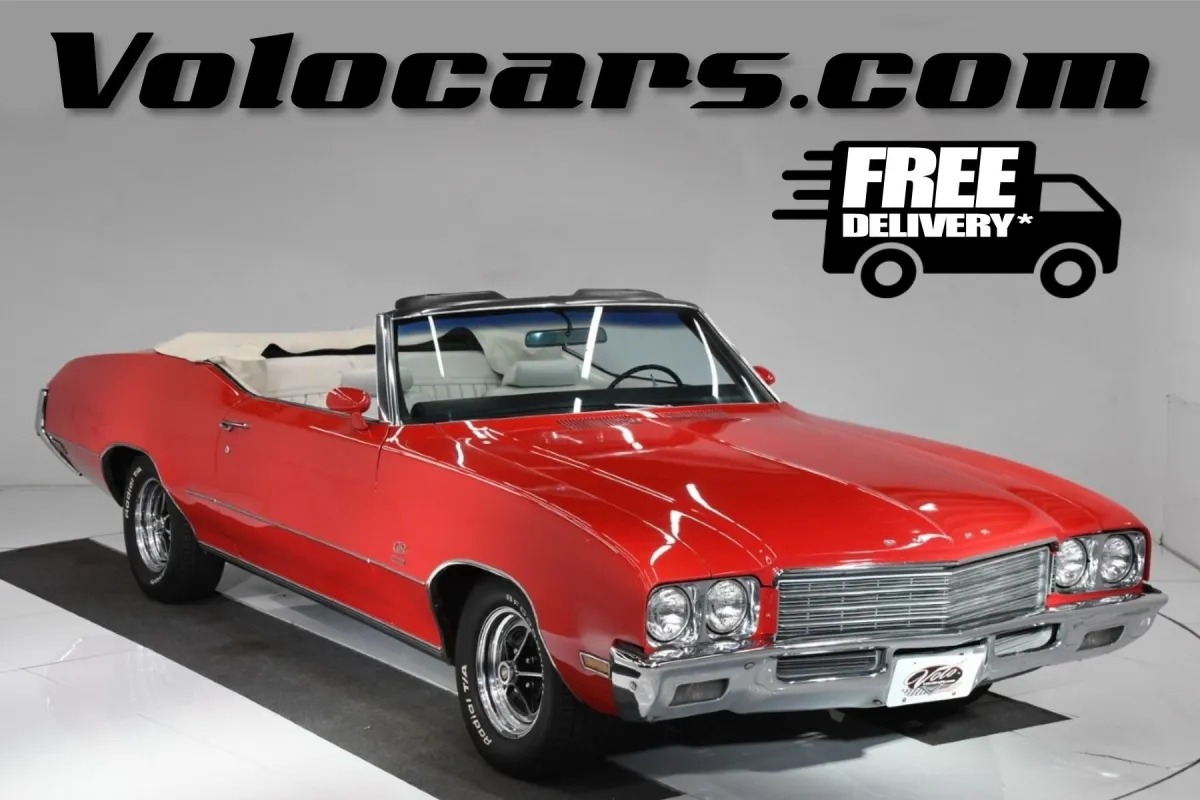 Photo: Buick Skylark, via cdn.dealeraccelerate.com
This wasn't exceptional service — this was just Tuesday.
For decades, pulling into an American gas station meant entering a choreographed dance of hospitality. The attendant would fill your tank, wash every inch of your windshield, check your oil level, inspect your tire pressure, and often peek under the hood to ensure everything looked right. All while you remained comfortably seated, perhaps chatting about the weather or the local high school football team's chances this Friday night.
More Than Just Fuel
These weren't just gas stations — they were neighborhood institutions. The attendant knew that Mrs. Henderson always needed her oil checked because her '59 Chevy burned through it faster than most. He remembered that young Tommy's father had asked him to keep an eye on the boy's driving habits. The station owner often extended credit to families going through tough times, keeping a handwritten ledger of who owed what.
The gas station served as an informal community bulletin board. Local mechanics doubled as neighborhood news anchors, sharing updates about who was hiring, whose kid made the honor roll, or which roads were getting torn up for construction. These daily interactions wove together the social fabric of American communities in ways we're only now beginning to understand we've lost.
The Economics of Personal Touch
Full-service stations thrived because labor was relatively inexpensive, and customers expected personal attention as part of the value proposition. Gas station owners competed not just on price per gallon, but on the quality of service. Some stations offered free coffee, others provided loaner cars while yours was being serviced. Many featured immaculate restrooms and well-stocked vending areas that served as impromptu meeting spots for locals.
The business model worked because customers developed loyalty to specific stations and attendants. People would drive past cheaper options to visit "their" station, where the service felt personal and trustworthy. This relationship-based commerce created steady revenue streams that justified the labor costs of full-service operations.
The Great Transformation
The shift toward self-service began in the late 1960s and accelerated through the 1970s, driven by rising labor costs and changing consumer expectations around convenience and speed. Oregon and New Jersey famously resisted this trend — and still require attendants to pump gas today — but most of America embraced the efficiency of serve-yourself fueling.
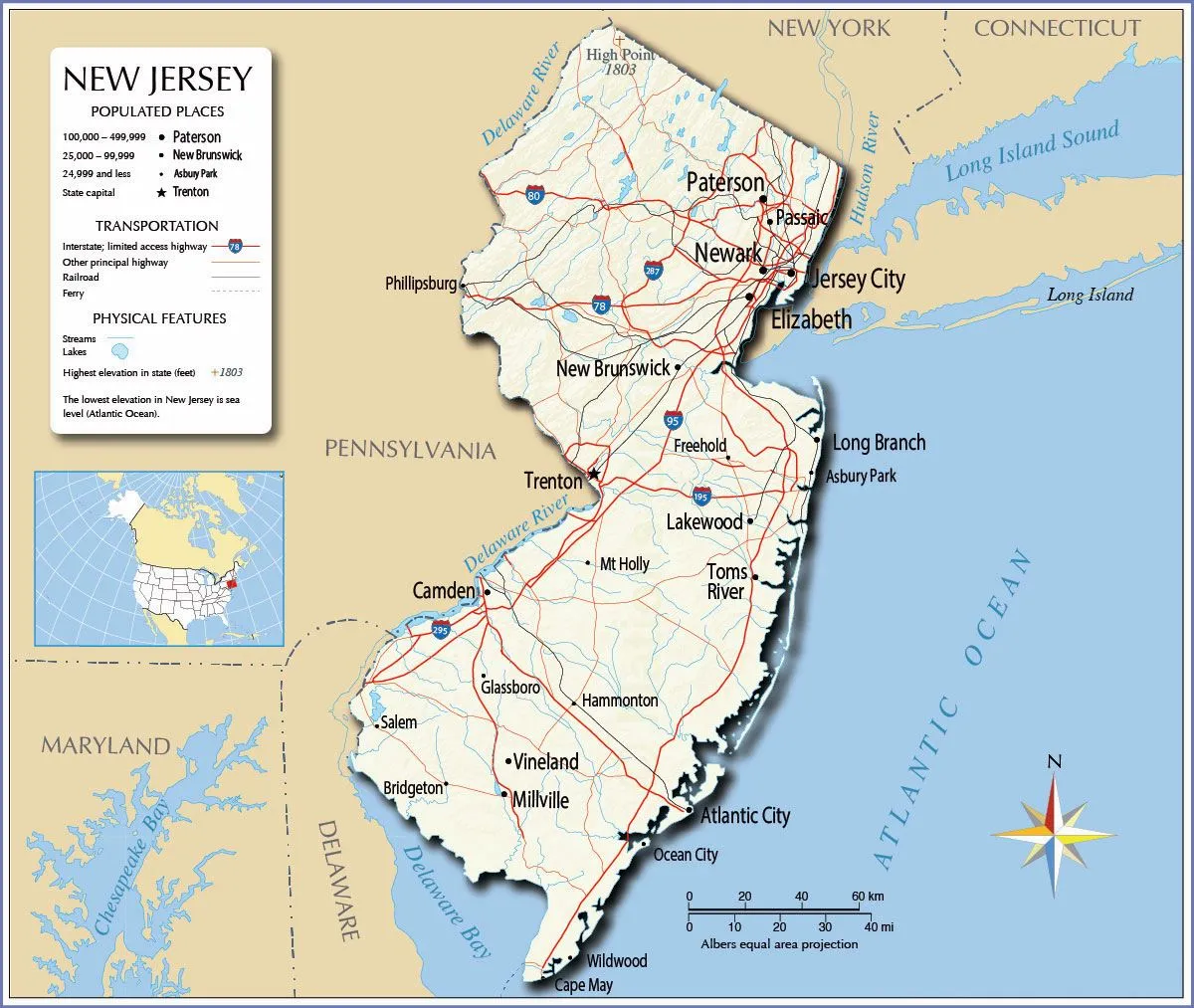 Photo: New Jersey, via www.orangesmile.com
What we gained was undeniable: faster transactions, lower prices, and the ability to fuel up at any hour without depending on staffed stations. Credit card readers at the pump eliminated the need to interact with anyone at all. You could fill your tank, grab snacks from a convenience store, and be back on the road in minutes.
The Convenience Store Revolution
Today's gas stations bear little resemblance to their full-service predecessors. Modern fuel stops have evolved into convenience retail hubs, emphasizing speed and selection over personal service. The average customer interaction lasts seconds, not minutes. Many stations operate with minimal staffing, relying on automated systems and surveillance cameras rather than human oversight.
The attendant who once knew your name and your car's quirks has been replaced by touchscreen interfaces and loyalty card algorithms that track your purchasing patterns with mathematical precision but zero personal warmth.
What We Lost Along the Way
The disappearance of full-service gas stations represents more than just a shift in retail strategy — it marked the erosion of countless micro-communities that once existed around these neighborhood hubs. The daily check-ins, the casual conversations, the informal safety net of people who noticed when something seemed off — all of this vanished as we prioritized efficiency over connection.
Elderly customers who once relied on attendants for help with heavy gas caps and tire pressure checks now struggle with self-service equipment designed for younger, more mobile users. The social interaction that once made a simple gas stop feel like a brief visit with neighbors has been replaced by the antiseptic efficiency of automated transactions.
The Echoes of Full Service
While true full-service stations have largely vanished, their ghost lingers in unexpected places. Some high-end car washes still offer the white-glove treatment reminiscent of classic service stations. A few rural stations continue operating with old-school hospitality, particularly in areas where community relationships still drive business success.
The longing for this lost personal touch explains why certain gas station chains have found success by emphasizing cleanliness, friendliness, and regional identity. Customers respond positively to stations that feel welcoming and community-minded, even if the actual service model remains self-service.
The next time you're standing at a pump, squinting at a small screen while the wind whips around you, take a moment to imagine what this same spot might have looked like sixty years ago — when filling your tank meant joining a community, not just completing a transaction.