The Sewing Circle Economy
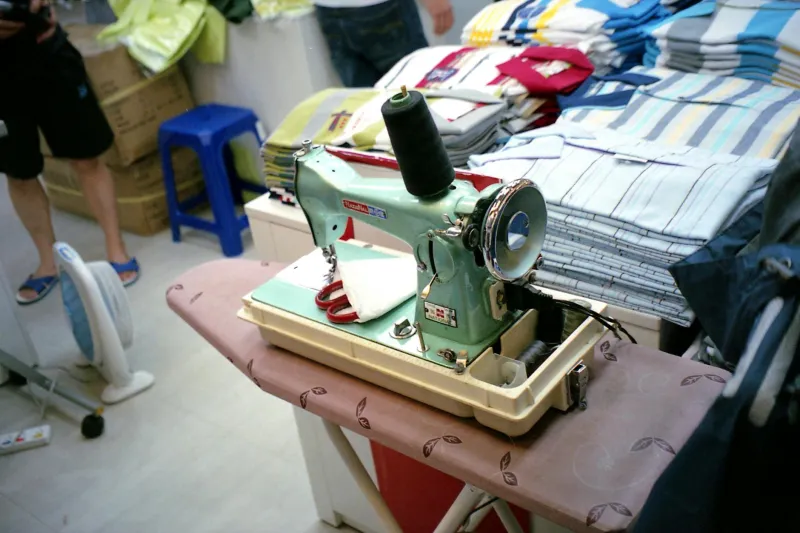
In 1960, nearly 85% of American women knew how to operate a sewing machine. By 2020, that number had dropped to less than 15%. This isn't just a statistic about changing hobbies — it represents the collapse of an entire relationship between Americans and the clothes they wore, a connection that once defined how families managed their budgets, expressed their creativity, and passed down practical skills through generations.
For most of the 20th century, making clothes at home wasn't a quaint hobby or eco-conscious choice — it was basic household economics. A dress that cost $15 in the store could be made at home for $3 worth of fabric and notions. More importantly, that homemade dress would be cut to fit perfectly, sewn to last for years, and altered as needed throughout its lifetime.
When Main Street Had a Fabric Store
Every American town of any size once had at least one fabric store, and larger cities had several. These weren't the craft-focused shops we occasionally see today, but serious retail establishments that served as the backbone of the home sewing economy. They stocked dozens of fabric types, from practical cotton for everyday wear to luxurious wool and silk for special occasions.
The fabric store was also an information hub. Shop owners knew which patterns worked best with which fabrics, could recommend the right notions for any project, and often provided informal sewing advice. Many stores offered classes where experienced seamstresses taught newcomers everything from basic hemming to complex tailoring techniques.
These stores also carried an enormous selection of patterns from companies like Simplicity, McCall's, and Butterick. Pattern catalogs were as eagerly anticipated as fashion magazines, showing home sewers how to recreate the latest styles from Paris runways or Hollywood films. A woman could see a dress on a movie star and have her own version hanging in her closet within a week.
The Economics of Handmade
The financial incentives for home sewing were compelling and went far beyond the simple cost savings on individual garments. Families who sewed could afford to dress better than their income might otherwise allow. A factory worker's wife could create a wardrobe that rivaled what wealthier families bought ready-made, simply by investing time instead of money.
Home sewing also extended the life of clothing in ways that seem almost revolutionary today. When a garment wore out, it was taken apart and the good fabric reused for something else. Children's clothes were constantly altered as they grew, and adult clothing was regularly updated to reflect changing styles or body shapes. The concept of "disposable" clothing simply didn't exist.
Many women also earned money through sewing, taking in alterations or creating custom garments for neighbors who couldn't sew. This informal economy provided crucial supplemental income for families while building skills and community connections.
The Lost Art of Perfect Fit
Perhaps the most significant difference between the era of handmade clothing and today's mass-produced fashion lies in fit. When you made your own clothes or had them made by someone who knew your measurements, every garment was essentially custom-tailored. Clothes fit properly because they were made for your specific body, not sized to accommodate millions of different people.
Local seamstresses and tailors maintained detailed records of their customers' measurements and preferences. They knew that Mrs. Johnson preferred her skirts a little longer, that Mr. Peterson needed extra room in the shoulders, and that the Miller children grew quickly and needed generous hems. This personal knowledge created a level of service that no modern retailer can match.
The quality difference was equally dramatic. Home sewers and professional seamstresses chose their own materials and construction methods, prioritizing durability over speed. Seams were finished properly, hems were generous enough to be let down, and details like buttons and zippers were chosen for longevity rather than cost savings.
When Clothing Told Your Story
Handmade clothing carried personal and family history in ways that mass-produced garments never could. A wedding dress might be sewn by the bride's mother using fabric saved for years. A child's school clothes might be made from fabric left over from a parent's outfit, creating visual connections between family members. Holiday dresses were planned months in advance and sewn with special care for occasions that mattered.
Many families developed signature styles or techniques that identified their handiwork. Grandmother's particular way of finishing seams, mother's favorite color combinations, or a family's traditional approach to holiday clothing created a visual language that connected generations.
The sewing box itself became a repository of family history. Buttons saved from worn-out garments, fabric scraps from memorable occasions, and patterns passed down from mother to daughter created tangible links to the past that went far beyond mere nostalgia.
The Fast Fashion Revolution
The collapse of America's home sewing culture didn't happen overnight. It was the result of several converging factors: the rise of global manufacturing that made ready-made clothing incredibly cheap, the entry of women into the workforce in unprecedented numbers, and changing social expectations about how people should spend their time.
By the 1980s, it had become cheaper to buy clothing than to make it, even accounting for the cost of materials alone. The time investment required for home sewing began to seem unreasonable when both parents were working full-time jobs. The skills that had once been passed naturally from mother to daughter were no longer being transmitted.
Today's fast fashion industry has created a clothing economy that would be unrecognizable to previous generations. The average American now buys 68 garments per year but wears each item only seven times before discarding it. We've traded the durability and personal connection of handmade clothing for the convenience and variety of mass production.
What We've Lost in Translation
The disappearance of home sewing represents more than just a shift in shopping habits — it's the loss of a fundamental life skill that connected people to their material possessions in meaningful ways. When you've spent hours creating a garment, you develop a relationship with it that's impossible to achieve with something bought off a rack.
Home sewing also taught valuable lessons about quality, construction, and value that extended far beyond clothing. People who understood how garments were made could evaluate quality in other products, make informed decisions about purchases, and maintain their possessions more effectively.
Perhaps most importantly, the culture of handmade clothing fostered a different relationship with consumption itself. When clothing required significant time and effort to create, people bought and made less but valued what they had more. The constant cycle of buying and discarding that characterizes modern fashion would have seemed wasteful and strange to a generation that knew the true cost of a well-made garment.
While we can't turn back the clock on global manufacturing or expect modern families to return to making all their own clothes, we can recognize what we've lost in our rush toward convenience and low prices. The thread that once connected Americans to their clothing has been cut, and with it, we've lost a piece of the practical wisdom that once defined how people lived, worked, and cared for the things that mattered.