The Kitchen Scripture: When One Cookbook Ruled Every American Home and No One Questioned Its Word
The Altar in Every Kitchen
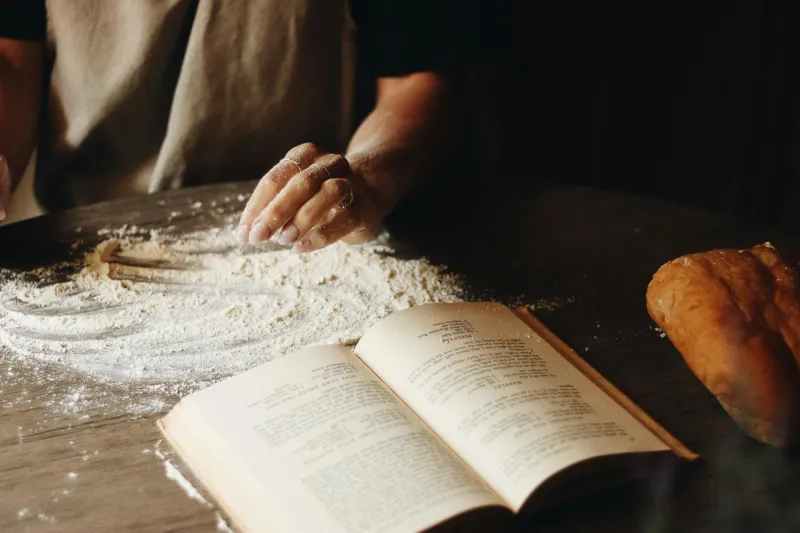
On a shelf in nearly every mid-20th century American kitchen stood a thick, well-worn book with pages stained by decades of faithful service. It might have been Betty Crocker's Picture Cook Book, with its cheerful red spine, or The Joy of Cooking, with its authoritative blue cover. Whatever the title, this book wasn't just a collection of recipes—it was the undisputed authority on how food should be prepared in American homes.
 Photo: Betty Crocker, via img1.etsystatic.com
Grandmothers passed these cookbooks to daughters like family heirlooms. The margins were filled with handwritten notes: "Add extra vanilla," "Uncle Joe's favorite," "Perfect for church potluck." These annotations represented generations of accumulated wisdom, small improvements discovered through years of practice and passed down through family lines.
This was an era when culinary authority was centralized, trusted, and unquestioned. If Betty Crocker said to cream butter and sugar for three minutes, you creamed for three minutes. If Joy of Cooking specified a particular oven temperature, that temperature was gospel.
The Democracy of Shared Standards
What's remarkable about this system wasn't just its simplicity—it was its universality. Across America, millions of home cooks were following essentially the same instructions, creating a shared culinary language that transcended regional and economic differences.
A chocolate cake made from Betty Crocker's recipe in Portland would taste virtually identical to one made in Pittsburgh. Wedding cookies followed the same formula in Wisconsin as they did in Wyoming. This standardization created a kind of culinary democracy where everyone had access to the same "correct" way of cooking.
Family recipe collections were typically small and focused. Most households relied on perhaps fifty core recipes that they had mastered over time. A typical family cookbook might contain a few dozen handwritten cards tucked inside the official cookbook—special recipes for birthday cakes, holiday cookies, or Sunday dinners that had been perfected through repetition.
The result was a food culture built on confidence and consistency. Home cooks knew their repertoire intimately and could prepare their signature dishes without consulting instructions. Muscle memory guided their hands as they measured flour or tested cake doneness with a toothpick.
When Food Experts Were Few and Trusted
The cookbook authors of this era weren't celebrities—they were authorities. Betty Crocker (though fictional) represented the collective wisdom of General Mills' test kitchens. Irma Rombauer, author of Joy of Cooking, was a home cook who had methodically tested and refined thousands of recipes. These weren't personalities selling lifestyle brands; they were institutions providing reliable information.
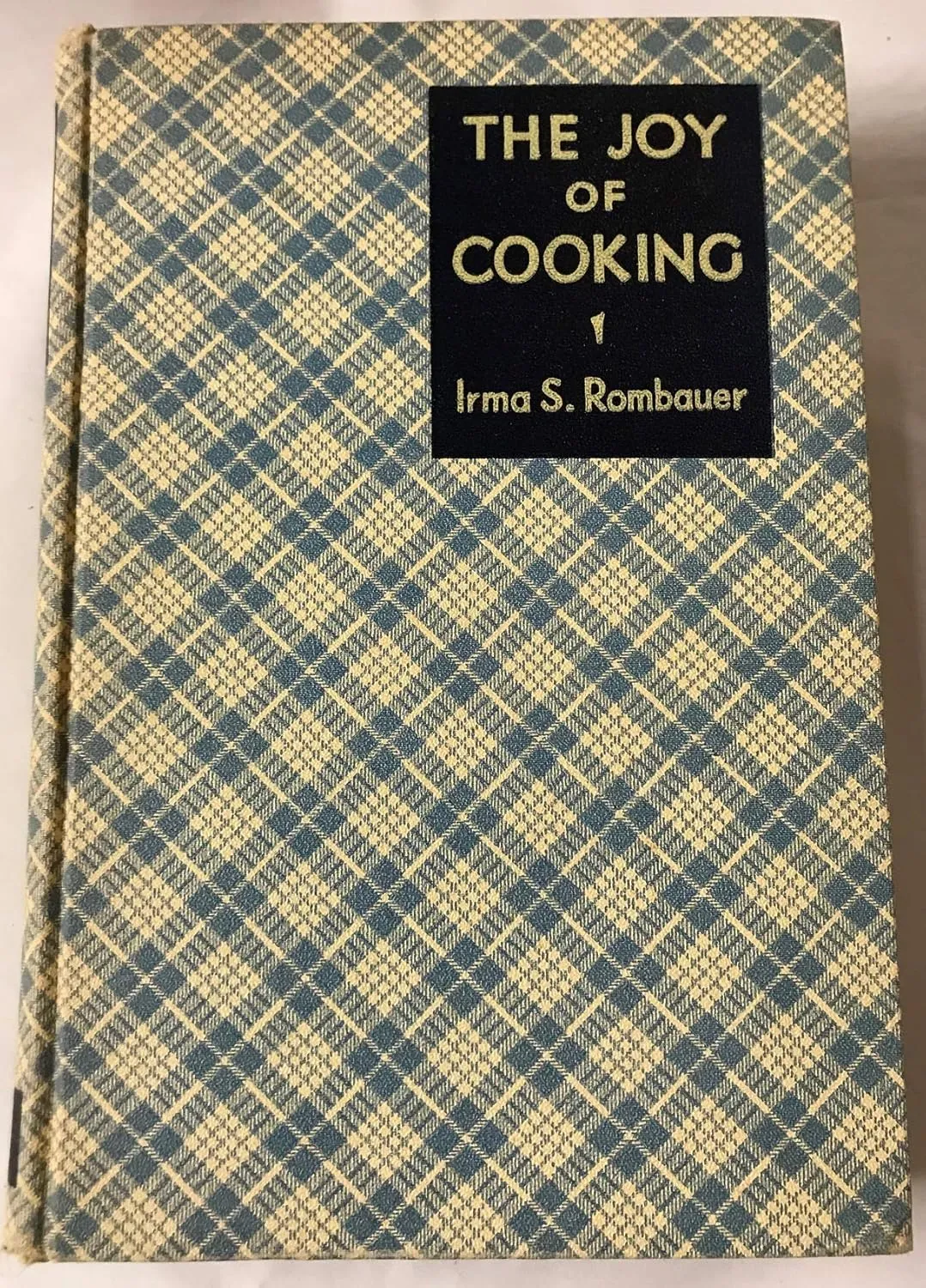 Photo: Irma Rombauer, via m.media-amazon.com
Cookbook testing was rigorous and standardized. Recipes were developed in professional test kitchens, tried by multiple cooks, and refined until they produced consistent results in typical home kitchens. The goal wasn't innovation or viral appeal—it was dependability.
This system created a clear hierarchy of culinary expertise. Professional chefs worked in restaurants, cookbook authors provided guidance for home cooks, and families developed their own variations within established frameworks. The roles were distinct and respected.
The Fragmentation of Modern Food Authority
Today's food landscape would be unrecognizable to a 1960s home cook. Instead of one trusted cookbook, modern Americans navigate an endless stream of competing voices: food bloggers, Instagram influencers, YouTube chefs, celebrity cookbook authors, meal kit services, and algorithm-driven recipe recommendations.
Every week brings new "life-changing" cooking techniques, "revolutionary" ingredient combinations, and "game-changing" kitchen hacks. Recipes go viral based on visual appeal rather than reliability. A single dish might have hundreds of variations available online, each claiming to be "the best" or "authentic" or "easier than the original."
This abundance creates both opportunity and paralysis. Modern home cooks have access to cuisines from around the world, innovative techniques, and constant inspiration. But they also face the challenge of sorting through contradictory advice, untested recipes, and the pressure to constantly try something new.
The Algorithm vs. The Index Card
Perhaps nowhere is the contrast more stark than in how recipes are discovered and chosen. The old system was beautifully simple: you opened your cookbook to the index, found what you wanted to make, and followed the instructions. The recipe had been tested, refined, and proven reliable through years of use.
Today's recipe discovery is driven by algorithms that prioritize engagement over reliability. Social media feeds serve up visually stunning dishes that may or may not work in typical home kitchens. Recipe blogs bury actual instructions beneath lengthy personal narratives designed to improve search engine rankings. Video recipes compress complex techniques into thirty-second clips that skip crucial details.
The result is a food culture that prizes novelty over mastery, visual appeal over flavor, and viral potential over practical utility. Home cooks collect digital recipes by the thousands but may never master any of them.
The Paradox of Choice
Modern recipe abundance has created unexpected problems. Analysis paralysis strikes when dinner requires choosing among dozens of chicken recipes, each promising to be superior to all others. The fear of missing out drives cooks to constantly seek new recipes rather than perfecting familiar ones.
Many contemporary home cooks report feeling less confident in the kitchen despite having access to more information than any generation in history. The constant stream of new techniques and trends can make traditional cooking methods seem outdated or insufficient.
What Was Lost in Translation
The old cookbook system wasn't perfect. It was less diverse, less innovative, and sometimes less healthy than modern food culture. Regional cuisines were underrepresented, dietary restrictions were poorly accommodated, and culinary creativity was often discouraged.
But the system provided something valuable that modern food culture struggles to replicate: confidence through consistency. When everyone followed the same basic formulas, cooking success was more predictable. Home cooks developed deep expertise in their limited repertoire rather than surface knowledge of endless possibilities.
The social aspect of shared culinary standards also created community. Church potlucks, neighborhood gatherings, and family dinners featured familiar dishes that everyone could appreciate and discuss. Food was a common language rather than a statement of individual identity.
The Search for New Authority
Some modern food brands attempt to recreate the authority of classic cookbooks through comprehensive recipe testing and standardized techniques. America's Test Kitchen, for example, has built a following by promising the reliability that once characterized cookbook publishing.
 Photo: America's Test Kitchen, via i.pinimg.com
Meal kit services offer another approach to the authority problem, providing pre-measured ingredients and tested recipes that promise restaurant-quality results for home cooks. These services essentially recreate the standardization of the cookbook era while adding convenience and variety.
The Verdict of Progress
Modern food culture offers unprecedented diversity, creativity, and accessibility. Home cooks can learn techniques from professional chefs, explore global cuisines, and adapt recipes to specific dietary needs. The democratization of food knowledge has empowered millions of people to expand their culinary horizons.
But this abundance comes with costs: decision fatigue, information overload, and the loss of deep culinary confidence that came from mastering a limited but reliable repertoire.
Perhaps the ideal lies not in returning to the old system, but in learning to navigate the new one more skillfully—finding trusted sources, building core competencies, and resisting the pressure to constantly chase culinary trends.
The cookbook that once sat on every kitchen shelf represented more than recipes—it embodied a different relationship with food, authority, and tradition. While we can't return to that simpler time, we might learn from its emphasis on mastery over novelty, depth over breadth, and confidence over constant experimentation.