Before WebMD, There Was Worry and a Worn-Out Encyclopedia: How Americans Once Navigated Their Own Health
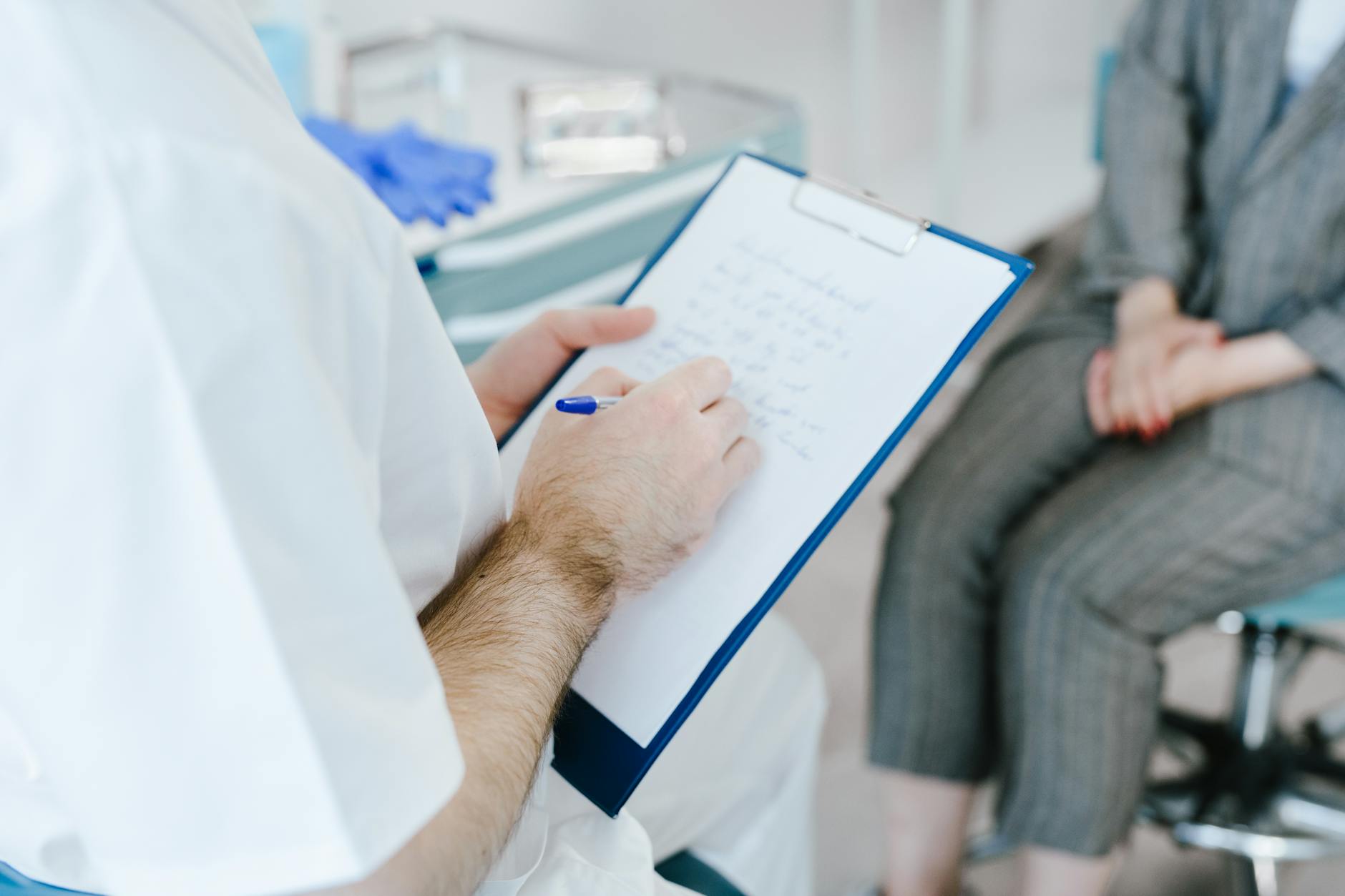
Before WebMD, There Was Worry and a Worn-Out Encyclopedia: How Americans Once Navigated Their Own Health
It's 2 a.m. and something feels off. Maybe it's a sharp pain behind your left eye. Maybe it's a rash that appeared out of nowhere. Maybe it's just a cough that's lingered a week too long and now your brain has decided it's worth losing sleep over.
Within minutes, you've pulled up a symptom checker, cross-referenced three medical websites, watched a YouTube explainer from a board-certified physician, and possibly — if the anxiety has really taken hold — scheduled a telehealth appointment that will connect you with a licensed doctor before sunrise.
This is so normal now that it barely registers as remarkable. But step back just a few decades, and the picture looks almost unrecognizably different.
The Family Doctor, the Kitchen Table, and a Lot of Guesswork
For most of American history, medical knowledge was something people accumulated slowly, informally, and with varying degrees of accuracy. The primary sources were family tradition, community knowledge, and — if you were lucky — a doctor who could actually get to you.
In rural America through the mid-20th century, the family physician was often a solo practitioner covering an enormous geographic area. House calls were still common through the 1950s, but they required planning, patience, and sometimes a wait of days. If you lived far enough from town, the calculation of whether something warranted a doctor's visit carried real weight — both financial and logistical.
In the meantime, families relied on what they had. Home remedy books like the People's Home Medical Book, first published in 1913, were genuine household staples. The Merck Manual, still published today, was originally designed for physicians but found its way into the hands of curious laypeople who wanted to understand what was happening to their bodies. The family encyclopedia — that heavy, authoritative set of volumes gathering dust on the living room shelf — served as a rudimentary reference for everything from appendicitis symptoms to the mechanics of childbirth.
And then there was grandmother's advice, which arrived with absolute conviction and a wide range of medical accuracy. Some of it was genuinely useful folk wisdom. Some of it was harmless. And some of it, in retrospect, was the kind of thing that makes modern physicians wince.
The Waiting Room Pamphlet Era
By the 1970s and '80s, the American healthcare system had grown substantially more organized, but health literacy among everyday patients remained limited by access to information. If you wanted to understand a diagnosis, you largely depended on what your doctor told you during a 15-minute appointment — an appointment you might have waited weeks to get.
The waiting room pamphlet became a peculiar artifact of this era. Thin, often poorly designed, and written in a tone that split the difference between reassuring and alarming, these pamphlets covered everything from managing high blood pressure to recognizing the signs of depression. They were the democratized health information of their day — free, available, and better than nothing.
But they were static. Outdated the moment they were printed. And they couldn't answer follow-up questions.
For patients dealing with serious or complex diagnoses, the information gap was genuinely painful. A cancer patient in 1985 who wanted to understand their treatment options, research clinical trials, or seek a second opinion faced a laborious process involving medical libraries, written correspondence with specialists, and a heavy reliance on whatever their local physician happened to know. The idea of a patient arriving at a doctor's office having already researched their condition in depth was nearly unheard of — not because patients didn't want to, but because the tools simply didn't exist.
The Internet Arrives, and Everything Shifts
The web began reaching American households in meaningful numbers through the mid-to-late 1990s, and health information was among the first things people went looking for. WebMD launched in 1996. The National Institutes of Health began expanding its public-facing resources. Health forums and patient communities began forming in ways that had no real precedent.
For the first time, a person diagnosed with a rare condition could find others who shared that diagnosis. A patient who felt dismissed by their doctor could research alternatives. A caregiver managing a loved one's chronic illness could access clinical literature that previously required a medical school library card.
The gains were — and remain — substantial. Telemedicine, which expanded dramatically during the COVID-19 pandemic, now allows Americans in rural areas to consult with specialists they previously would have had to travel hours to see. Symptom-checking tools, while imperfect, give people a framework for deciding whether something warrants urgent attention or can wait for a regular appointment. Patients arrive better informed, ask better questions, and increasingly function as active participants in their own care rather than passive recipients of it.
A 2023 Pew Research survey found that 77 percent of American adults have searched online for health information — and for many of them, that search genuinely shaped a decision about whether or when to seek professional care.
What Got Lost in the Translation
It would be dishonest to tell this story as pure progress without acknowledging the complications.
The same tools that democratized health information also made medical anxiety more accessible than ever. The phenomenon sometimes called "cyberchondria" — where symptom searching spirals into escalating fear rather than informed calm — is real and well-documented. The internet contains vast quantities of misinformation alongside the legitimate science, and not everyone has the health literacy to distinguish between them reliably.
There's also something worth mourning in the erosion of the sustained patient-physician relationship. The family doctor who knew three generations of your family, who understood your health in context, who could read between the lines of what you were telling them — that figure hasn't entirely disappeared, but the economics of modern healthcare have made that kind of continuity increasingly rare.
And the communities that once gathered knowledge informally — through churches, neighborhood networks, extended families living nearby — have dispersed. The grandmother's remedy book has been replaced by a Reddit thread, which is sometimes better and sometimes significantly worse.
A Different Kind of Patient
What's emerged is a new kind of American health consumer: more informed, more empowered, and more anxious than any previous generation. We know more about what might be wrong with us than people ever have. We also worry about it more than people ever did, in part because the information is always right there, always available, always ready to confirm whatever fear we brought to the search bar at 2 a.m.
The worn-out encyclopedia on the living room shelf couldn't tell you much. But it also couldn't tell you, at midnight, that your headache might be seventeen different things, three of which were serious.
Progress, as usual, is more complicated than it looks.