The Neighborhood Food Circuit: When Americans Shopped at Seven Stores Just to Fill One Basket
The Neighborhood Food Circuit: When Americans Shopped at Seven Stores Just to Fill One Basket
Imagine planning a simple dinner party today. You'd probably make one trip to the supermarket, grab everything from appetizers to dessert in about thirty minutes, and head home. But rewind to 1935, and that same dinner would require a carefully orchestrated tour of your neighborhood that could easily consume half your day.
The Specialists Who Fed America
In pre-supermarket America, food shopping wasn't a destination—it was a journey. Your weekly provisions came from a network of skilled tradespeople, each master of their particular domain. The butcher knew exactly which cut of beef your family preferred and could tell you which chickens had come in fresh that morning. The baker started work at 4 AM to ensure warm bread was ready when you arrived. The fishmonger could identify the day's catch by sight and smell alone.
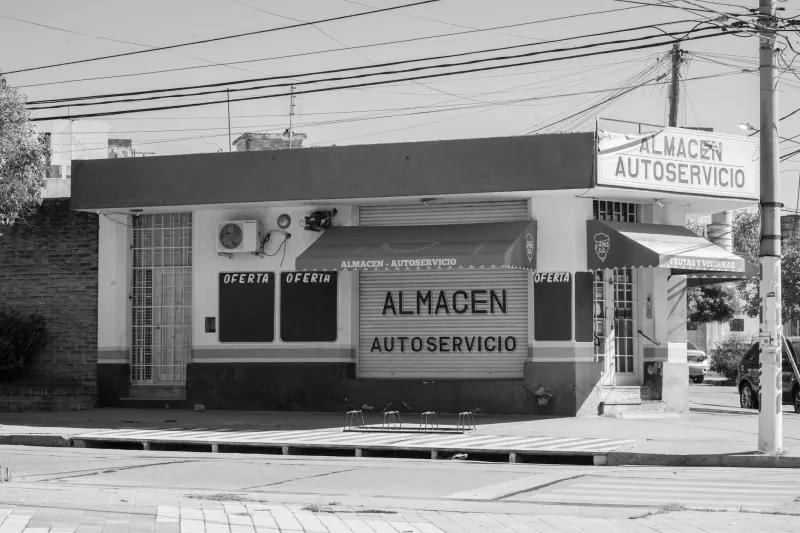
This wasn't just small-town charm. Even in major cities like New York and Chicago, neighborhood food circuits thrived. A typical city block might house a dozen food specialists: the grocer for canned goods and staples, the produce vendor with seasonal vegetables, the dairy shop, the delicatessen, the candy store, and sometimes even the egg lady who sold directly from her urban chicken coop.
Each stop required its own conversation, its own relationship, its own understanding of quality and price. The greengrocer would save the best tomatoes for regular customers. The butcher might throw in soup bones for free if you'd been coming to him for years. Shopping wasn't just about acquiring food—it was about maintaining a web of community connections that kept neighborhoods alive.
The Daily Rhythm of Provisions
Without refrigeration as we know it today, food shopping operated on a completely different timeline. The iceman delivered blocks of ice twice a week to keep your icebox cool, but even then, perishables lasted only a day or two. This meant daily trips for fresh items, with longer shopping expeditions happening twice a week for dry goods and preserved foods.
Mothers often sent children on these daily errands, turning food procurement into a neighborhood education. Kids learned to judge the freshness of fish, negotiate prices with vendors, and navigate the social dynamics of each shop. They understood seasonality in ways modern children never will—strawberries in December simply didn't exist, and oranges were a Christmas luxury shipped in from California.
The rhythm was exhausting but also grounding. You knew exactly where your food came from because you'd often met the farmer at the market. You understood the work behind each meal because you'd watched the baker knead dough or seen the butcher break down a side of beef. Food had faces, stories, and seasons.
When Everything Changed Overnight
The transformation began quietly in the 1930s with stores like King Kullen on Long Island, but it exploded after World War II. Returning veterans found a country ready to embrace efficiency, convenience, and the automobile culture that made one-stop shopping possible. The suburban supermarket wasn't just a new type of store—it was a complete reimagining of how Americans would relate to food.
By 1960, the neighborhood food circuit had largely vanished. The same families who once knew their butcher's children were now selecting pre-wrapped meat from refrigerated cases. The seasonal conversations with produce vendors were replaced by year-round availability of everything. The daily errands that once structured community life were consolidated into weekly shopping trips that could be completed in isolation.
The efficiency gains were undeniable. A 1955 study found that suburban families could complete their food shopping in one-third the time their urban counterparts needed for the same provisions. Lower prices, greater variety, and the convenience of parking right outside the store made the choice obvious for most Americans.
What We Gained and What We Lost
The supermarket revolution delivered exactly what it promised: convenience, efficiency, and choice. Americans gained access to foods from around the world, seasonal items year-round, and the luxury of completing all their shopping in one climate-controlled location. Food prices dropped dramatically when mass purchasing power replaced individual negotiations.
But something quieter disappeared in the transition. The neighborhood food circuit had been a daily reminder that food came from real places, made by real people, with real skill and care. Shopping had been a social activity that connected neighbors and maintained community knowledge about quality, seasonality, and value.
Today's farmers markets and specialty food stores represent a conscious attempt to recapture some of what was lost, but they serve a fundamentally different purpose. They're weekend destinations rather than daily necessities, lifestyle choices rather than community infrastructure.
The Memory of a Different Hunger
The generation that shopped the neighborhood circuit understood food differently than we do today. They knew that good meals required planning, relationships, and time. They accepted that convenience came with trade-offs and that the best ingredients weren't always the most accessible ones.
When you see elderly shoppers taking extra time to examine produce or striking up conversations with deli counter workers, you're witnessing the muscle memory of a different era—one when shopping for food was as much about maintaining community as it was about filling the pantry.
That world is gone, and few would choose to return to the inconvenience of daily food errands. But understanding how dramatically we've changed the way we eat reminds us that today's food system—despite feeling permanent and natural—is really just the latest chapter in an ongoing American experiment with how we feed ourselves.