Six Months of Mud, Disease, and Prayers: What It Actually Took to Cross America Before the Jet Age
Six Months of Mud, Disease, and Prayers: What It Actually Took to Cross America Before the Jet Age
You're boarding a cross-country flight. You're mildly annoyed — the middle seat, the bag fees, the line at security. You've got six hours ahead of you, a podcast queued up, and the vague hope that the person next to you won't want to talk. It's not your favorite day, but it's fine. It's routine.
Now consider this: 175 years ago, the same journey would have taken you six months, consumed somewhere between 15 and 20 percent of your life savings, and carried a genuine, non-trivial chance of killing you before you reached the other side.
The history of transcontinental travel in America isn't just a story about faster engines and better roads. It's a story about how profoundly human experience can change — and how completely we can forget what came before.
The Oregon Trail Was Not a Video Game
Most Americans of a certain generation know the Oregon Trail as a pixelated classroom game where your wagon party inevitably died of dysentery. The dark joke embedded in that game is that it wasn't really a joke at all.
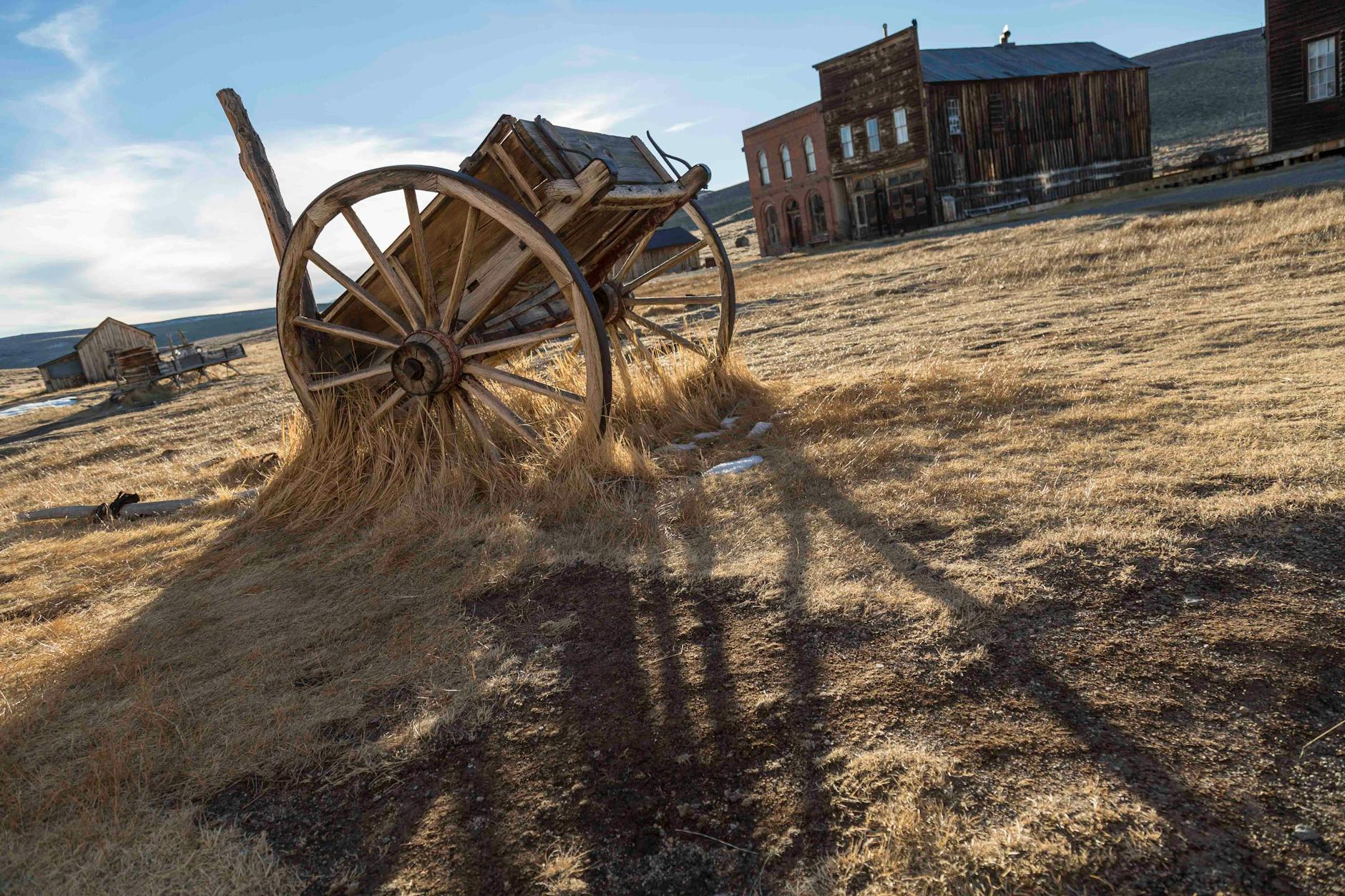
From the 1840s through the 1860s, hundreds of thousands of Americans made the overland crossing from the Missouri River to the Pacific Coast — roughly 2,000 miles of plains, desert, and mountain range. The journey took four to six months by covered wagon, and it demanded everything a family had.
The physical conditions were punishing in ways that are hard to fully appreciate. Travelers walked most of the route — the wagons were for supplies, not passengers. They covered 15 to 20 miles on a good day, less when the terrain turned rough or the weather turned cruel. River crossings were genuinely dangerous; wagons overturned, livestock drowned, people died. The mountain passes had narrow windows before winter made them impassable, and miscalculating that timing could mean the difference between California and catastrophe. The Donner Party, stranded in the Sierra Nevada in 1846, is the most famous example of what happened when things went wrong.
Disease was a constant companion. Cholera swept through wagon trains with brutal efficiency, killing travelers who had been healthy days before. Historians estimate that somewhere between 10,000 and 30,000 people died along the Oregon, California, and Santa Fe trails — roughly one grave for every hundred yards of trail.
And yet people went. Because the alternative — staying put — felt like its own kind of slow death.
The Railroad Changes Everything (Mostly)
The completion of the First Transcontinental Railroad in 1869 was, by any reasonable measure, one of the most consequential engineering achievements in American history. It didn't just connect coasts — it collapsed the concept of distance.
Suddenly, the journey that had claimed thousands of lives and consumed half a year could be completed in six to seven days. Passengers sat in relative comfort, watched the continent scroll past their windows, and ate in dining cars. The price of a first-class ticket from New York to San Francisco ran about $150 — roughly $3,500 in today's money — but even an emigrant-class ticket in the basic sleeping cars cost around $65 (still about $1,500 today), putting transcontinental travel within reach of a much wider population.
It was a revolution. But "relative comfort" is doing some heavy lifting in that sentence. Train travel in the 1870s and '80s was still long, still physically taxing, and still subject to delays, derailments, and the very real possibility of robbery. The famous outlaw Jesse James made a career of hitting transcontinental trains throughout the 1870s. Passengers were advised to keep valuables close and expectations modest.
Still — six days versus six months. The railroad era compressed not just time but the psychological weight of distance. America started to feel smaller. Towns along the rail lines boomed; those bypassed by the tracks withered. The country was being rewired in real time.
Enter the Jet Age: When Distance Became an Abstraction
Commercial aviation reached American consumers in a meaningful way during the 1950s, and the introduction of jet-powered passenger aircraft in 1958 marked the moment transcontinental travel became something approaching routine.
The first coast-to-coast jet service — operated by American Airlines, flying Boeing 707s between Los Angeles and New York — cut the journey to roughly five and a half hours. Tickets were expensive by modern standards (a first-class transcontinental fare in 1960 ran about $300, or nearly $3,100 today), and flying retained a certain formality and occasion that's essentially vanished from modern air travel. People dressed up. They arrived early. They treated it as an event.
Over the following decades, deregulation in 1978 cracked open the market, competition multiplied, and prices began their long descent toward the budget fares we grumble about today. A round-trip coast-to-coast ticket can now be had for under $200 on a discount carrier if you're willing to tolerate the indignities that come with it.
What Six Hours Means Now
Today's cross-country flight is a marvel that presents itself as a hassle. You leave Los Angeles at 8 a.m. and you're eating a late lunch in New York. The same distance that killed tens of thousands of 19th-century Americans, that consumed six months of a family's life and everything they owned, is now a workday inconvenience.
The baggage fees are real. The legroom is genuinely inadequate. The airport food is overpriced and underwhelming. None of that is worth pretending away.
But somewhere between the security line and your complimentary ginger ale, it might be worth a moment to sit with what the people who came before us would make of all this — the speed, the safety, the sheer, almost absurd ease of crossing a continent that once swallowed people whole.
They'd probably find the Wi-Fi complaints pretty hard to take seriously.