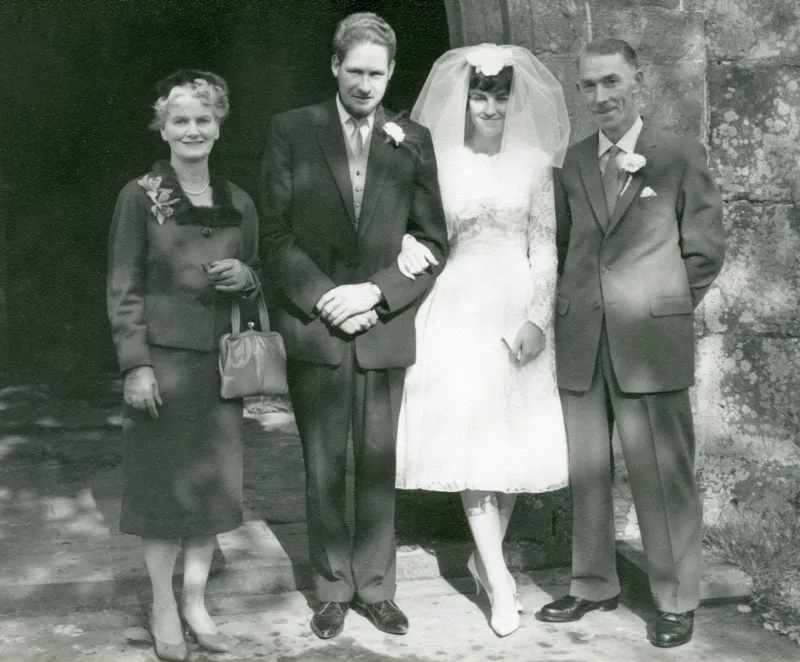
In 1955, the Patterson family of Des Moines, Iowa, spent three weeks preparing for a single photograph. Mother ironed everyone's Sunday clothes twice, Father got his hair trimmed at the barbershop, and the children practiced sitting still for what felt like hours. The photographer's fee — $25 — represented nearly a week of Dad's factory wages. When the finished portrait arrived six weeks later, it was immediately framed and hung above the mantelpiece, where it would remain for the next thirty years.
Today, the average American takes 2,000 photos per year on their smartphone. Most are forgotten within hours, buried in digital albums that nobody ever opens. We've gained the ability to capture everything, but somehow lost the art of making anything worth keeping.
The Economics of Memory
In the 1940s and 1950s, photography wasn't just expensive — it was prohibitively expensive for most American families. A basic camera cost $50 to $100 (roughly $500 to $1,000 in today's money), and that was before you bought film, paid for developing, or hired a professional photographer for anything important.
A professional family portrait session could easily cost $20 to $50 — equivalent to $200 to $500 today — but the real expense was emotional. Families planned these sessions like military operations. Everyone needed their best clothes, their best behavior, and their best smile, because there would be no second chances. Film was precious, retakes were expensive, and patience was finite.
The scarcity created reverence. When a photograph cost a week's grocery budget, families didn't take pictures of their lunch. They saved the camera for births, weddings, graduations, and annual family portraits that would define how they remembered themselves for years to come.
The Ritual of Posing
Visit any American attic today, and you'll find boxes of these carefully composed family photographs from the mid-20th century. Everyone is formally dressed, perfectly positioned, and wearing expressions of serious dignity. Children stand ramrod straight, hands clasped behind their backs. Parents gaze directly into the camera with the gravity of people who understand they're creating a document for posterity.
These weren't casual snapshots — they were formal declarations of family identity. The photographer was part artist, part director, part therapist, coaxing reluctant children into position and helping nervous parents project the image of prosperity and happiness they wanted to preserve forever.
Compare this to today's family photos: casual, candid, and countless. We take dozens of shots to get one good one, then immediately post it to social media where it competes with millions of other images for momentary attention. The process takes seconds, costs nothing, and creates no lasting impact.
When Pictures Mattered More
The weight of photographic scarcity created something remarkable: intentionality. Families carefully chose what moments deserved to be preserved. They dressed up for pictures not out of vanity, but out of respect for the permanence of the medium. They understood that this image might be the only visual record of their family for years to come.
Grandparents carried wallet-sized photos of their grandchildren like talismans. Deployed soldiers treasured creased photographs of sweethearts back home. Immigrants sent formal family portraits across oceans to relatives who would study every face, every detail, trying to imagine the new life their loved ones were building in America.
Each photograph told a story not just through what it showed, but through what it represented: the decision that this moment was worth preserving, the investment of time and money, the belief that future generations would want to see how their ancestors looked when they were young and hopeful.
The Digital Avalanche
Today's smartphone cameras are technological marvels that would have seemed like science fiction to the Patterson family. We can take thousands of high-quality photos without spending a penny, edit them instantly, and share them with the world in seconds. We've democratized photography in ways that would have been unimaginable seventy years ago.
But somewhere in this technological revolution, we lost the ceremony. We take pictures of everything — our coffee, our commute, our pets, our meals — and remember none of it. Our phones contain thousands of images that we'll never look at again, digital archives that feel more like clutter than treasure.
The average American family now takes more photos in a single vacation than their grandparents took in a lifetime. Yet ask most people to show you their favorite family photo, and they'll struggle to find it among the chaos of their digital collections.
What We Lost in Translation
The transformation of photography from rare ritual to constant habit reflects a broader change in how Americans think about memory and meaning. When photographs were scarce and expensive, we treated them like heirlooms. When they became free and infinite, we started treating them like disposable goods.
This isn't necessarily progress or decline — it's simply change. We've gained the ability to document every moment of our lives, but lost the skill of choosing which moments deserve documentation. We can capture everything, but struggle to make anything feel special.
The Patterson family's 1955 portrait still hangs in a descendant's home today, as meaningful and powerful as the day it was taken. Meanwhile, last week's smartphone photos are already buried under this week's digital pile, forgotten before they were even truly seen.
Perhaps the real question isn't whether we take too many photos today, but whether we've forgotten how to make any of them matter.