Dressed to Go Nowhere Special: The Day America Stopped Trying
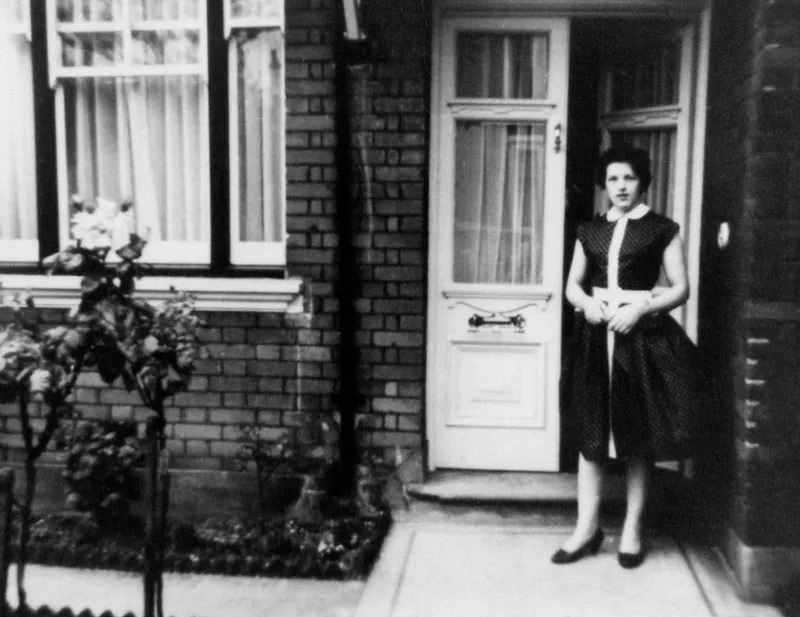
Open a photo album from 1958 and something will stop you cold. Not the cars, not the hairstyles — the clothes. People dressed like they were going somewhere important. Except they were going to the grocery store. Or the airport. Or a Tuesday afternoon baseball game at Wrigley Field. The formality wasn't reserved for weddings or funerals. It was the baseline.
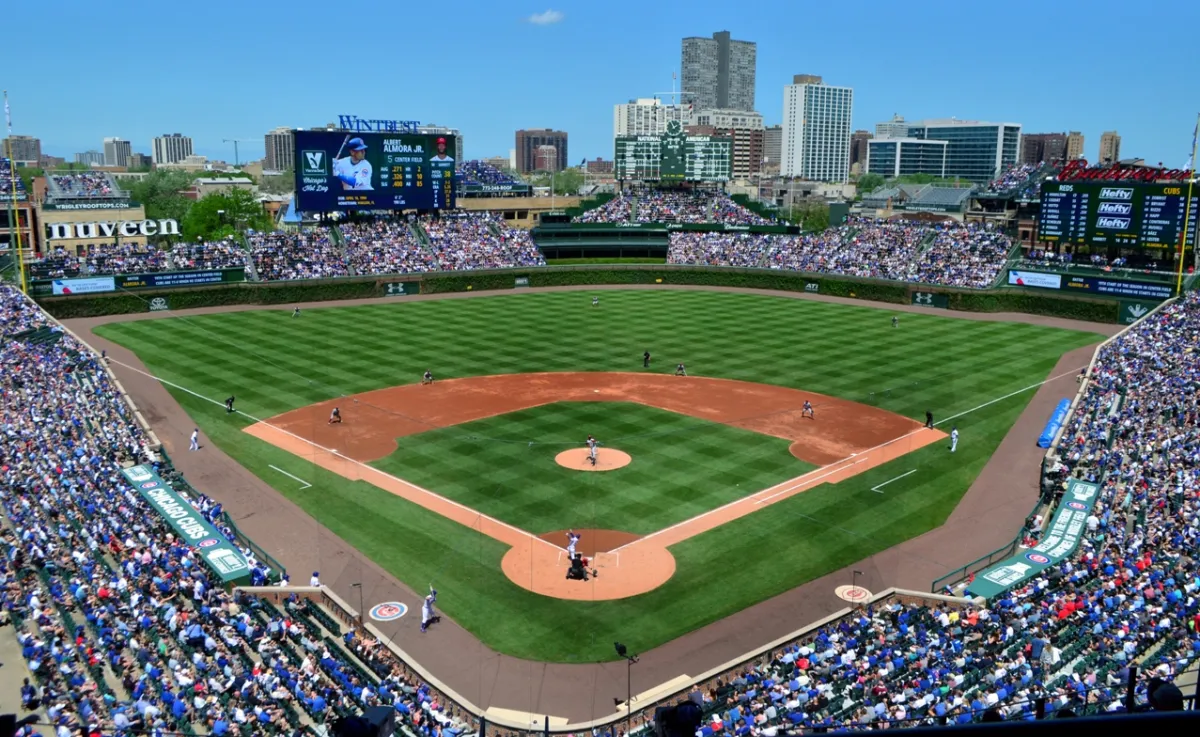 Photo: Wrigley Field, via ballparkeguides.com
Somewhere between then and now, America collectively decided that comfort was the point. And while nobody can argue with the appeal of a good pair of sweatpants, something genuinely worth mourning got left behind in the process.
When the Outfit Was the Occasion
In the 1950s and early 1960s, getting dressed wasn't a chore — it was a ritual. Women put on dresses, gloves, and heels to run errands. Men wore pressed trousers, button-down shirts, and sport coats to watch a ballgame. Children were cleaned up and tucked in before leaving the house for almost any reason. This wasn't vanity. It was a shared cultural language, a way of signaling respect — for the destination, for the people you'd encounter, and for yourself.
Boarding an airplane was practically a formal occasion. Pan Am and TWA passengers in the late 1950s dressed the way modern travelers might for a job interview. Women wore tailored suits. Men wore ties. Flying was still an experience that carried weight, and the clothing reflected that. You were participating in something that felt significant, and you dressed accordingly.
 Photo: Pan Am, via i.pinimg.com
Even the ballpark had its own unspoken dress standard. Photographs from early World Series games show crowds filled with men in fedoras and collared shirts. Nobody sent out a memo. The expectation was simply understood.
 Photo: World Series, via img.mlbstatic.com
The Psychology Behind the Pressed Collar
Psychologists have a term for it now — enclothed cognition — the idea that what you wear genuinely affects how you think, act, and feel. But mid-century Americans didn't need a research study to understand this. They lived it instinctively. Getting dressed up wasn't just about appearances. It was about stepping into a version of yourself that matched the world you were entering.
There was also a social dimension that ran deeper than personal psychology. Dressing well in public was a form of community investment. You were telling the people around you that you took the shared space seriously. The barbershop, the diner, the department store — these were communal environments, and showing up polished was a quiet act of participation.
Clothing also carried economic meaning. In an era when most Americans had one or two good outfits, wearing them wasn't frivolous. It was intentional. You saved your best for moments that deserved it, which meant ordinary life was constantly being elevated into something worth honoring.
The Long Unraveling
The shift didn't happen overnight. It crept in across several decades, driven by a combination of cultural forces that each made perfect sense on their own terms.
The 1970s brought a rejection of formality as part of a broader cultural loosening. Jeans moved from workwear to everyday wear to everywhere. Casual Friday arrived in American offices during the 1980s and 1990s as a well-intentioned perk that gradually swallowed the rest of the week. The rise of synthetic fabrics made comfort cheaper and more accessible. Athletic wear — designed for gyms — started appearing in supermarkets, then airports, then everywhere.
By the 2000s, the athleisure industry had turned the logic completely inside out. Clothing engineered for peak athletic performance became the default outfit for sitting at a desk or standing in a coffee line. Leggings replaced slacks. Hoodies replaced blazers. Sneakers — once reserved for courts and tracks — became appropriate footwear for virtually any occasion short of a black-tie dinner, and even that line has started to blur.
Fast fashion accelerated the trend. When clothes became cheap and disposable, they stopped feeling worth caring about. The ritual evaporated along with the investment.
What the Mirror Stopped Telling Us
None of this is to say that formality was always comfortable, or that the old dress codes didn't carry their own burdens. Women in particular bore the weight of appearance standards that were often exhausting and inequitable. The freedom to dress casually is a genuine freedom, and it shouldn't be dismissed.
But something real was lost in the wholesale abandonment of the idea that how you present yourself matters. When every occasion looks the same — when the airport gate and the backyard barbecue and the first day of work all call for the same outfit — the occasions themselves start to blur together. Life stops feeling like a series of distinct experiences worth marking, and starts feeling like an undifferentiated scroll.
The modern wellness conversation spends enormous energy on self-care, self-expression, and personal identity. There's a certain irony in the fact that a generation obsessed with presenting an authentic self to the world has largely abandoned one of the most direct forms of self-presentation available.
The Quiet Comeback
There are signs, small but persistent, that some Americans are rediscovering what their grandparents never forgot. The resurgence of tailoring among younger men. The growing "old money aesthetic" trend on social media. The renewed interest in vintage clothing that was built to last and meant to be worn with intention.
These aren't nostalgia acts. They're a recognition that getting dressed — really dressed, with thought and care — does something to you. It changes your posture. It changes how you walk into a room. It changes what you expect from the next few hours.
Your grandparents knew that. They dressed for the grocery store like it mattered. Maybe, in ways we forgot to appreciate, it did.