The Town Square in Your Pocket: How America Traded Physical Bulletin Boards for Digital Echo Chambers
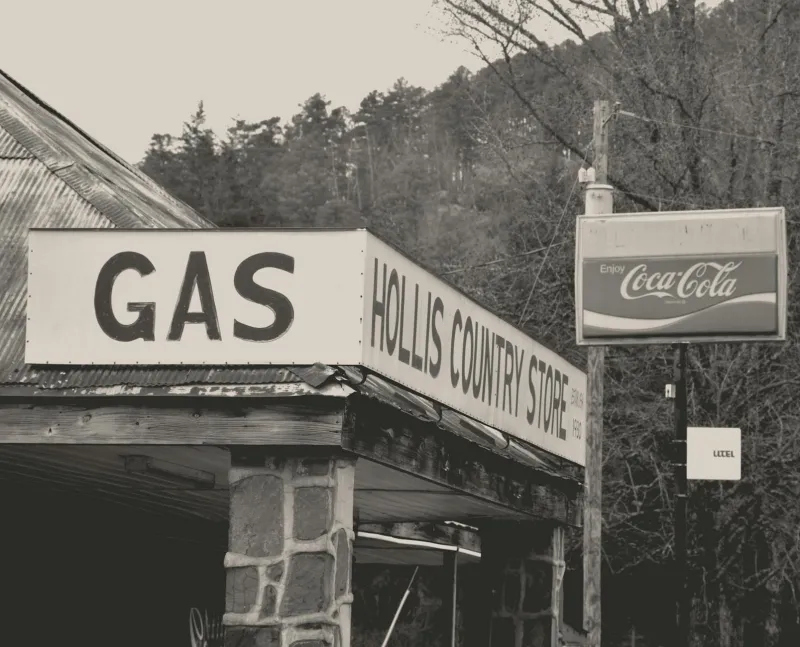
Outside Miller's General Store in small-town America, 1975, a weathered cork board held the entire social calendar of the community. Hand-scrawled index cards announced everything from church potlucks to lost cats, creating a physical space where the whole town's business intersected. This wasn't just information sharing—it was democracy in action, community building one pushpin at a time.
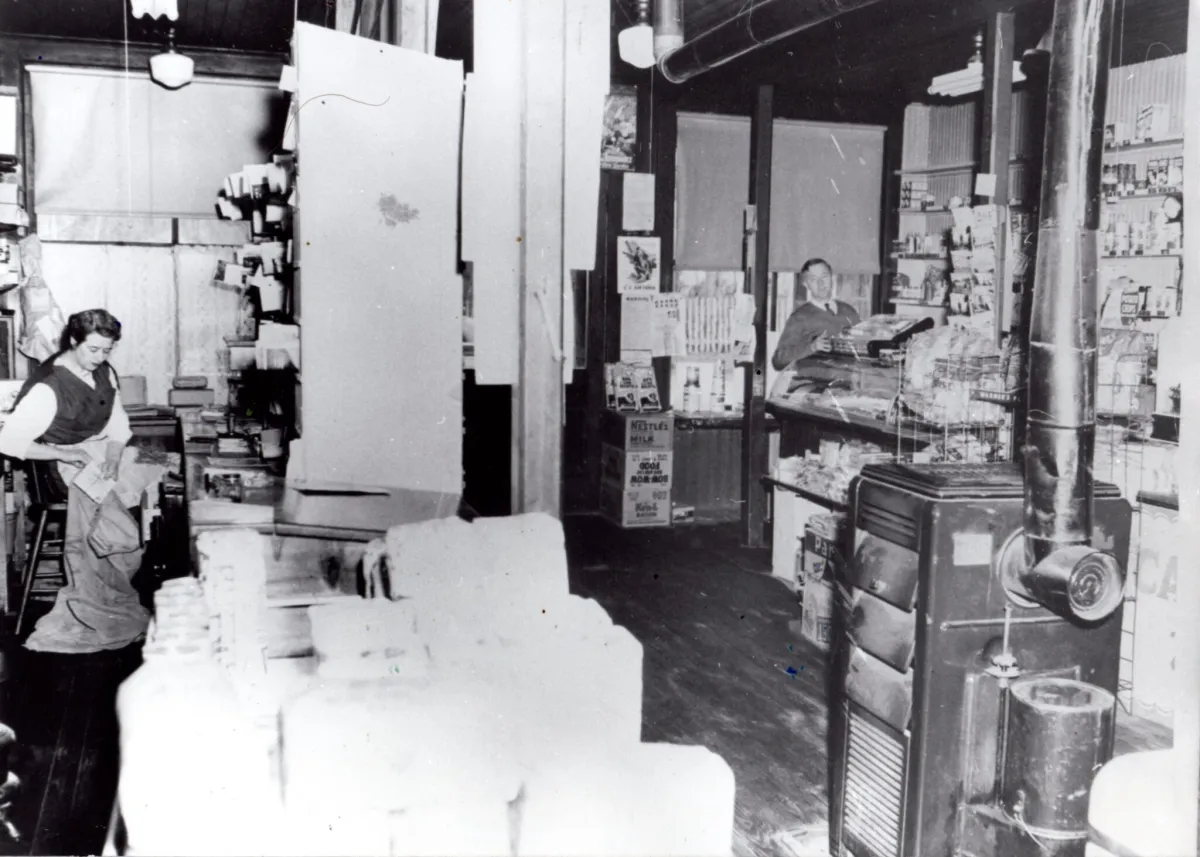 Photo: Miller's General Store, via mpmshistoricalsociety.org
The Accidental Town Hall
These notice boards weren't designed by social media algorithms or targeted by demographic data. They were wonderfully, chaotically democratic. The Methodist church's pancake breakfast shared space with teenager Jimmy's guitar lessons offer, while Mrs. Peterson's missing tabby cat competed for attention with the volunteer fire department's fundraiser announcement.
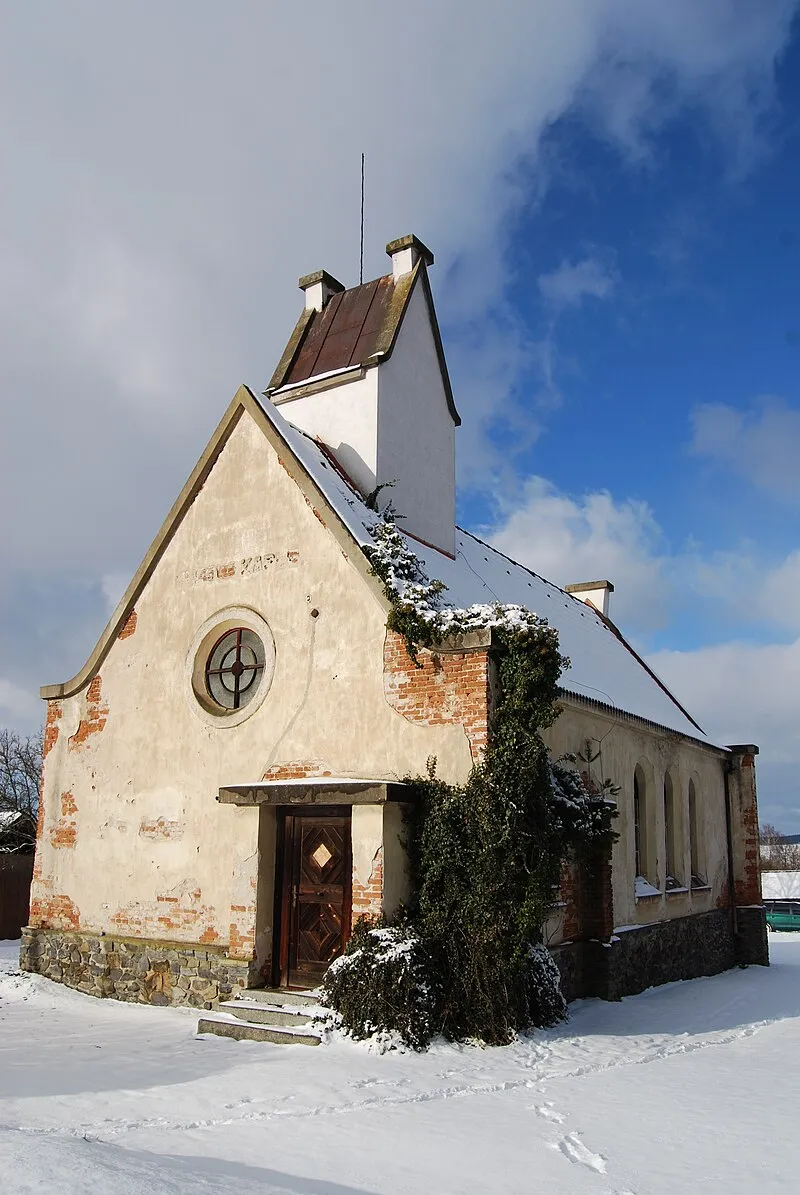 Photo of Methodist church, via Wikidata/Wikimedia Commons
What made these boards special wasn't their efficiency—it was their inefficiency. You couldn't just scan for information relevant to your interests. You had to read through everything, accidentally discovering that your neighbor was selling a piano, that the library needed volunteers, or that someone was organizing a community garden.
The Ritual of Community Check-ins
Visiting the notice board became a social ritual woven into daily routines. Stopping by after collecting mail, checking for updates before grocery shopping, or pausing during evening walks created natural community touchpoints. These weren't planned social interactions—they were organic encounters that happened because people shared the same information space.
Regular board-checkers became informal community connectors. They'd remember who was looking for babysitting work when someone else mentioned needing help with the kids. They'd connect the person selling a dining table with the young couple who'd posted about furnishing their first apartment. The notice board created human algorithms powered by memory and neighborly concern.
The Democracy of the Pushpin
Anyone could post anything, for the cost of paper and a thumbtack. There were no character limits, no approval processes, no algorithmic suppression. If you had something to say to the community, you wrote it down and pinned it up. This created a remarkably egalitarian information ecosystem where the high school senior's tutoring offer had the same visual weight as the mayor's town hall announcement.
The physical nature of these boards also created natural moderation. Inappropriate content would be removed by community consensus, outdated notices would be taken down by their authors or helpful neighbors, and popular events would accumulate additional notes and responses pinned alongside the original announcement.
The Serendipity Engine
Before personalized news feeds and targeted advertising, the community notice board was America's original serendipity engine. You never knew what you'd discover during a routine check. That accidental exposure to the full spectrum of community life created informed citizens who understood their town's complete social ecosystem.
A farmer checking for equipment sales might discover a book club that changed his retirement. A busy mother scanning for childcare options might notice a community theater group that rekindled her creative interests. These unexpected discoveries happened because information wasn't filtered by past behavior or predicted interests.
The Digital Transformation
Today's digital community platforms promise to recreate this local connection, but they operate on fundamentally different principles. Facebook groups, Nextdoor feeds, and community apps use algorithms to show you information deemed relevant to your profile and past behavior. You see announcements from people similar to you about activities that match your demonstrated interests.
This personalization eliminates the beautiful randomness that made physical notice boards so valuable for community building. You're less likely to accidentally discover the amateur radio club if you've never shown interest in electronics, or learn about the historical society if you typically ignore history-related content.
The Fragmentation Effect
Where a single notice board served an entire community, digital platforms have created dozens of specialized channels. The parent Facebook group, the neighborhood watch app, the local business directory, the school district portal—information that once shared space on a single board is now scattered across multiple platforms, each with its own audience and algorithms.
This fragmentation means community members can easily exist in separate information bubbles, never encountering announcements that don't match their demographic profile or stated interests. The accidental awareness that physical notice boards created has been replaced by curated relevance that often isolates rather than connects.
What We Lost in the Translation
The shift from physical to digital community information sharing eliminated several crucial elements of civic life. Physical presence at the notice board created opportunities for spontaneous conversation and connection. The shared information space fostered community-wide awareness of local issues and opportunities. The democratic nature of posting ensured that all voices had equal visual weight.
Digital platforms have gained efficiency and reach while losing serendipity and equality. You can now instantly notify hundreds of people about your garage sale, but you're less likely to accidentally learn about the neighbor's art class or the community garden that might have enriched your life.
The Algorithm vs. The Community
Perhaps most importantly, physical notice boards were curated by community needs rather than engagement metrics. Information stayed up as long as it was relevant, not as long as it generated clicks or comments. The most important announcements weren't necessarily the most exciting ones, and the community's collective judgment determined what deserved attention.
Modern platforms prioritize engagement over importance, viral content over local relevance, and personal preferences over community awareness. We've traded the wisdom of crowds for the efficiency of algorithms, gaining convenience while losing the accidental encounters that built stronger communities.
The Return of the Physical
Interestingly, some communities are rediscovering the value of physical information sharing. Coffee shops, libraries, and community centers are reinstating bulletin boards, recognizing that digital platforms haven't fully replaced the democratic, serendipitous nature of shared physical space.
These modern notice boards serve different functions than their predecessors—they complement rather than compete with digital platforms—but they restore some of the accidental community awareness that disappeared when we moved all our information online.
The cork board outside Miller's General Store may be gone, but the human need for shared community information space remains. The question is whether we can design digital systems that capture the democratic spirit and serendipitous discovery that made those physical boards so valuable for building the social fabric of American communities.