When Your Piggy Bank Paid the Bills: The Golden Age of American Savings Accounts

The Passbook That Built Dreams
Mary Sullivan's passbook savings account told the story of the American Dream in neat, handwritten columns. Every Friday afternoon in 1978, she'd walk into First National Bank of Springfield, hand her little blue booklet to the teller, and deposit $50 from her secretary's salary. The magic happened overnight: that $50 would earn her $4 in interest over the course of a year, guaranteed.
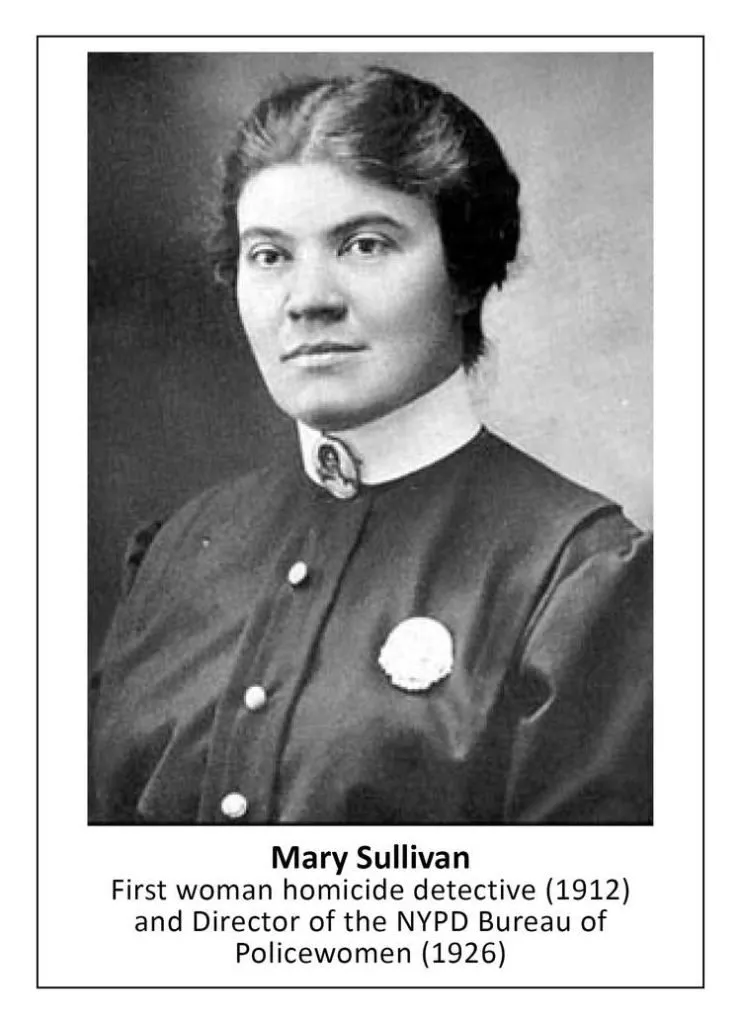 Photo: Mary Sullivan, via bensons-review.com
It doesn't sound like much until you do the math. At 8.2% annual interest, Mary's disciplined saving habit would double her money in less than nine years without her lifting a finger. Her passbook wasn't just a place to store money—it was a wealth-building machine that worked while she slept.
For Mary and millions of Americans like her, a basic savings account was the foundation of financial security. No stock market knowledge required. No investment advisor needed. No risk tolerance to calculate. You saved your money, the bank paid you generously for the privilege of holding it, and compound interest did the rest.
When Banks Competed for Your Spare Change
Drive through any American town in 1975, and you'd see them everywhere: bank signs advertising savings rates like carnival barkers hawking their wares. "6.75% on passbook savings!" "New accounts earn 7.25%!" "Certificate of deposit special: 8.5% for 18 months!"
Banks fought tooth and nail for deposits because they needed your money to make loans. The business model was beautifully simple: pay depositors 6%, lend to borrowers at 10%, pocket the difference. This created a virtuous cycle where banks had to offer competitive rates to attract savers, and savers could shop around for the best deal.
The competition was so fierce that banks offered toasters, blenders, and even small televisions to customers who opened new accounts. These weren't desperate gimmicks—they were smart business investments. A customer who deposited $1,000 at 7% interest was worth courting because they represented a reliable, long-term source of funding.
The Millionaire Next Door's Secret Weapon
High-yield savings accounts democratized wealth building in ways that seem almost impossible today. You didn't need to understand price-to-earnings ratios or diversification strategies. You didn't need a minimum investment of $10,000 or access to exclusive financial products. You just needed discipline and time.
Consider the real-world impact: a young couple who saved $100 per month starting in 1975 would have accumulated over $85,000 by 1995, assuming a conservative 7% average return. That's $100,000 in today's purchasing power, built entirely through basic savings accounts that required no financial sophistication whatsoever.
This wasn't theory—it was the lived experience of millions of American families. Postal workers became millionaires. Factory workers retired comfortably. Teachers built nest eggs that would be impressive even by today's standards, all through the simple act of saving money in accounts that actually rewarded them for doing so.
The Great Deregulation Experiment
The party ended in the 1980s when financial deregulation dismantled the system that had made high savings rates possible. Regulation Q, which had capped the interest rates banks could pay on deposits, was phased out. The Savings and Loan crisis eliminated many of the institutions that had competed most aggressively for deposits.
Most importantly, the Federal Reserve's monetary policy shifted toward keeping interest rates artificially low to stimulate economic growth. The central bank discovered it could goose the economy by making borrowing cheap and saving unrewarding—a complete reversal of the incentive structure that had built America's middle class.
By 2010, the average savings account was paying 0.11% interest. Today, that figure has fallen to an insulting 0.45% at traditional banks, with many online banks offering the "high yield" rate of 1.5%. What once was a path to prosperity became a place to park money you couldn't afford to lose.
The Unintended Consequences of Free Money
Low interest rates were supposed to democratize investing by making it easier for ordinary Americans to access the stock market. Instead, they created a two-tiered financial system that rewards sophisticated investors while punishing savers.
Today's retirees are forced into increasingly risky investments just to generate the income that a simple savings account used to provide. A 65-year-old who needs $2,000 per month in investment income would need to put $533,000 into a savings account earning 4.5% annually. At today's rates, that same income requires nearly $5 million in principal.
The psychological impact goes beyond dollars and cents. Previous generations understood that saving money was inherently virtuous—you were rewarded for delayed gratification and punished for immediate consumption. Today's financial environment sends the opposite message: savers are suckers, and only risk-takers get ahead.
When Compound Interest Was Your Friend
Einstein allegedly called compound interest the eighth wonder of the world, but he probably never imagined a financial system that would make it irrelevant for ordinary savers. The difference between earning 7% and earning 0.5% isn't just mathematical—it's generational.
A parent in 1975 could tell their child with confidence: "Save your money, and it will grow." Today's parents face the uncomfortable task of explaining why saving money in the bank is essentially a guaranteed way to lose purchasing power over time.
The cultural implications are profound. America's savings rate has plummeted from over 12% in the 1980s to around 3% today. Why save when saving doesn't pay? Why delay gratification when delayed gratification is financially punitive?
The New Reality for American Savers
Today's equivalent of Mary Sullivan's passbook account is a high-yield online savings account that might pay 1.5% if she's lucky. Her $50 weekly deposits would earn about $40 per year in interest—roughly what she used to make in two months under the old system.
To achieve the wealth-building power that savings accounts once provided, modern Americans must become investors. They need to understand asset allocation, expense ratios, and market volatility. They need to accept the possibility of losing money in pursuit of returns that their grandparents earned risk-free.
This shift from saving to investing has created unprecedented wealth for those with the knowledge, time, and risk tolerance to navigate financial markets. But it has left behind millions of Americans who simply want to save their money and watch it grow—a perfectly reasonable desire that the current financial system refuses to accommodate.
The Lost Promise of Effortless Wealth
The high-interest savings account represented something beautiful in American capitalism: the promise that anyone willing to delay gratification would be rewarded for doing so. It was a system that encouraged thrift, rewarded patience, and built wealth without requiring expertise or luck.
That promise has been broken, replaced by a financial system that demands constant attention, sophisticated knowledge, and acceptance of risk. We've gained market efficiency and lost financial simplicity. The question isn't whether this trade-off was inevitable—it's whether we fully understand what we gave up when we made it.