When Broken Things Got Second Lives: How America Abandoned the Art of Making Old Things Work Again
The Neighborhood Wizard With a Toolbox
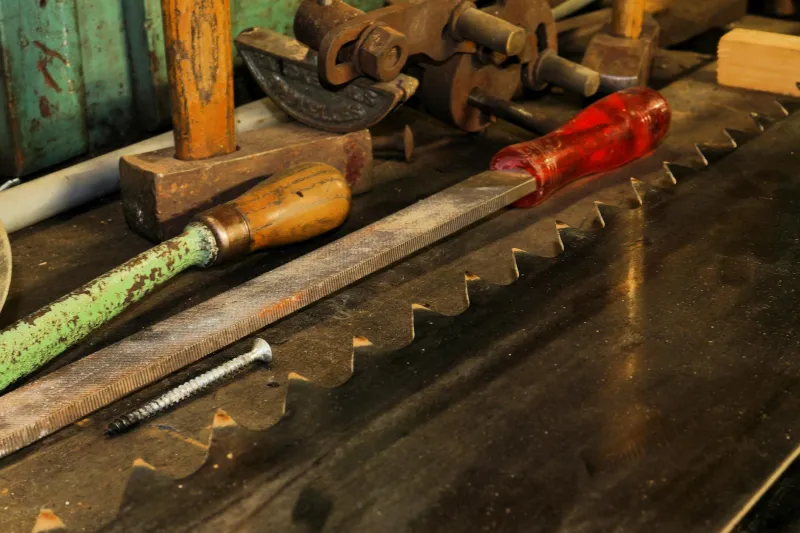
Walk into any American garage built before 1980, and you'll find the archaeological evidence of a lost civilization: shelves lined with baby food jars filled with screws, drawers packed with electrical tape and wire nuts, workbenches scarred from decades of amateur surgery on broken appliances. These weren't the workshops of professional repairmen—they belonged to ordinary Americans who understood a simple truth that seems almost quaint today: when something broke, you fixed it.
In 1955, the average American household owned about 3,000 individual items. When one of those items stopped working—whether it was a radio, a toaster, or a pair of shoes—the default response wasn't to head to the store for a replacement. It was to roll up your sleeves, grab some tools, and figure out how to make it work again.
The Economics of Making Do
Back then, the math was simple and unforgiving. A new television cost the equivalent of $4,000 in today's money. When it started showing nothing but static, you didn't shrug and order a new one online. You called Sal's TV Repair, waited three weeks for him to find the right vacuum tube, and paid $50 to get your old Zenith working again.
This wasn't just frugality—it was economic necessity wrapped in cultural pride. Throwing away something that could be fixed was seen as wasteful, almost immoral. Neighborhoods had their unofficial experts: the guy who could resurrect any lawn mower, the woman who could make a sewing machine purr like new, the teenager who had figured out how to coax extra years from everyone's car radio.
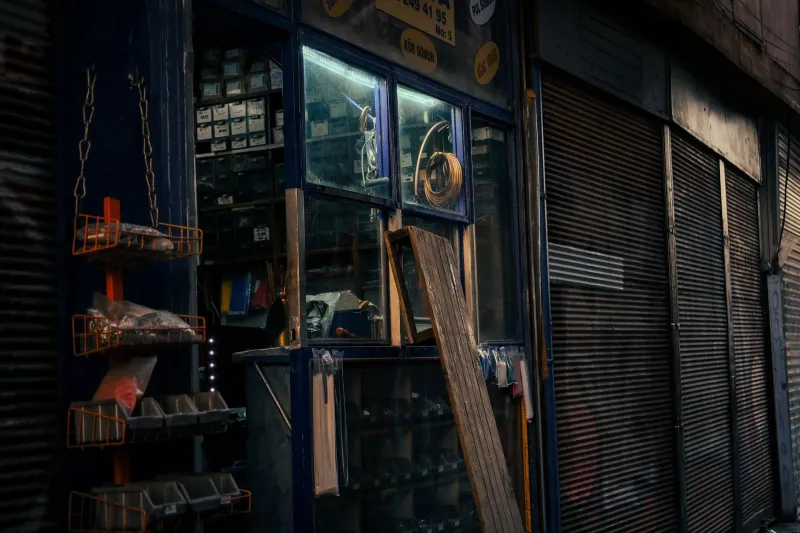
Every main street had at least three repair shops: one for shoes, one for appliances, and one for everything else. These weren't quaint throwbacks—they were essential infrastructure, as important to daily life as the post office or the pharmacy.
When Replacement Became Cheaper Than Repair
The shift happened gradually, then all at once. By the 1980s, global manufacturing had made new products so affordable that repair began to feel foolish rather than virtuous. Why spend $75 to fix a blender when a new one cost $60? Why wait two weeks for a cobbler to resole your shoes when you could buy three pairs at Payless for the same price?
The final nail in the repair culture's coffin came with planned obsolescence and the rise of electronics that weren't designed to be fixed. Modern devices are assembled with proprietary screws, sealed with permanent adhesives, and built with components that cost more to replace than the entire device is worth.
Today's average smartphone contains more computing power than NASA used to land on the moon, but when the screen cracks, most Americans don't even consider repair. They upgrade. The device that cost $800 eighteen months ago becomes a paperweight, destined for a drawer full of other expensive electronic corpses.
The Hidden Costs of the Throwaway Nation
The numbers tell a stark story. Americans now generate 254 million tons of waste annually—nearly twice the per-capita rate of other developed nations. The average American replaces their smartphone every 2.5 years, their laptop every 4 years, and major appliances every 8-10 years, regardless of whether they're actually broken.
This shift has fundamentally changed how we relate to our possessions. Previous generations formed attachments to objects that lasted decades. Your grandmother's KitchenAid mixer wasn't just a kitchen tool—it was a family heirloom that had mixed birthday cakes for three generations. Today's appliances are designed to be replaceable, not repairable, and certainly not memorable.
The economic impact extends beyond individual households. The repair economy that once employed millions of Americans—cobblers, radio repairmen, appliance technicians, tailors—has largely disappeared. These weren't just jobs; they were skilled trades that passed knowledge from generation to generation.
The New Repair Movement
Somewhere between the last TV repairman closing shop and the iPhone reaching its 15th iteration, a curious thing happened. A new generation of Americans began to rediscover the satisfaction of fixing things. Repair cafes started popping up in community centers. YouTube channels dedicated to appliance repair gained millions of subscribers. The "right to repair" movement began pushing back against manufacturers who made fixing impossible.
But this modern repair culture is fundamentally different from its predecessor. It's driven by environmental consciousness and technological curiosity rather than economic necessity. The skills that were once passed down from parent to child now have to be learned from strangers on the internet.
What We Lost When We Stopped Fixing
The death of repair culture represents more than just an economic shift—it's a philosophical change in how Americans relate to the physical world. When you fix something yourself, you understand how it works. You develop patience, problem-solving skills, and a respect for craftsmanship. You learn that most problems have solutions if you're willing to spend time finding them.
Today's children grow up in a world where technology is magic—sleek, seamless, and incomprehensible. When something stops working, the solution isn't investigation and repair; it's replacement and upgrade. We've gained convenience and lost comprehension.
The grandfather who could rebuild a carburetor with his eyes closed has been replaced by the grandson who can troubleshoot any software problem but doesn't own a single tool that isn't digital. Both are products of their time, but only one of them knows how to make broken things work again.
In gaining a world where everything is replaceable, we lost the knowledge of how to make anything repairable. The question isn't whether this trade-off was worth it—it's whether we even realized we were making it.