Every Town Had a Platform: The Forgotten Era When a Train Could Take You Anywhere From Anywhere
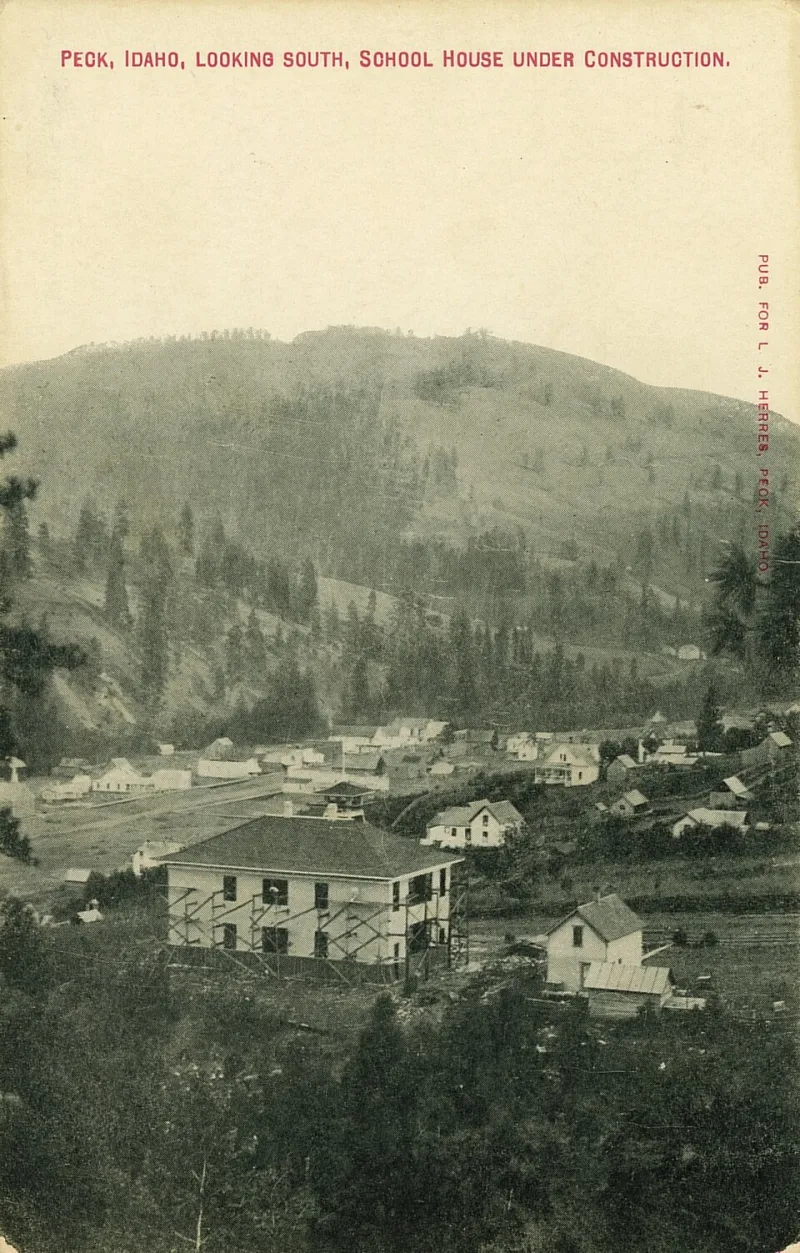
Photo: Steve Shook from Moscow, Idaho, USA, CC BY 2.0, via Wikimedia Commons
Sometime in the 1920s, if you lived in a small town in the American heartland — a place with a grain elevator, a general store, a post office, and maybe two thousand people — there was a very good chance you also had a train station. It might have been nothing more than a wooden platform and a small waiting room with a potbellied stove. But it connected you, directly and reliably, to the rest of the country.
That reality is so far removed from the experience of rural America today that it's almost difficult to picture. But for millions of ordinary Americans in the early twentieth century, the passenger train wasn't a special occasion — it was just how you got places.
The Web That Covered the Map
At its peak in the early 1920s, the United States operated more than 250,000 miles of railroad track, and a substantial portion of that network was dedicated to passenger service. The great trunk lines — the Pennsylvania Railroad, the Union Pacific, the Southern Pacific, the Santa Fe — carried the famous named trains that captured the national imagination. But running alongside and beneath those glamorous routes was a dense capillary network of regional and local lines that reached into corners of the country the headline trains never bothered with.
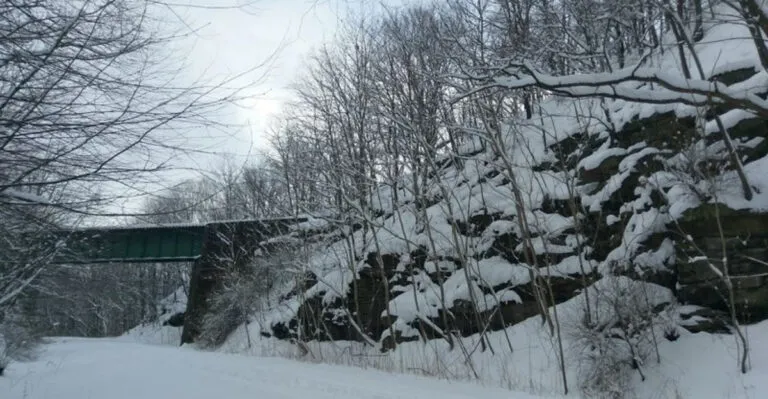 Photo: Pennsylvania Railroad, via takemetotn.com
These branch lines and short-haul routes were the connective tissue of American life. They carried factory workers to jobs in neighboring towns. They moved farm families to county seats for medical appointments. They brought goods and mail and newspapers and people in and out of communities that had no other practical connection to the wider world.
The system wasn't perfect. Schedules could be unreliable. Small-town service was often slow and the rolling stock was frequently aging. But it existed, and its existence meant something profound: your location didn't trap you.
The Unraveling
The decline of passenger rail in America is a story with multiple villains and no single turning point. The automobile arrived and offered freedom on your own schedule. The federal government poured money into highways — the Interstate Highway System, launched in 1956, was the largest public works project in American history — while passenger rail received comparatively little public investment. Airlines took the long-distance traveler. The private railroads, which had always operated passenger service as an obligation rather than a profit center, began petitioning to abandon routes as soon as regulators would allow.
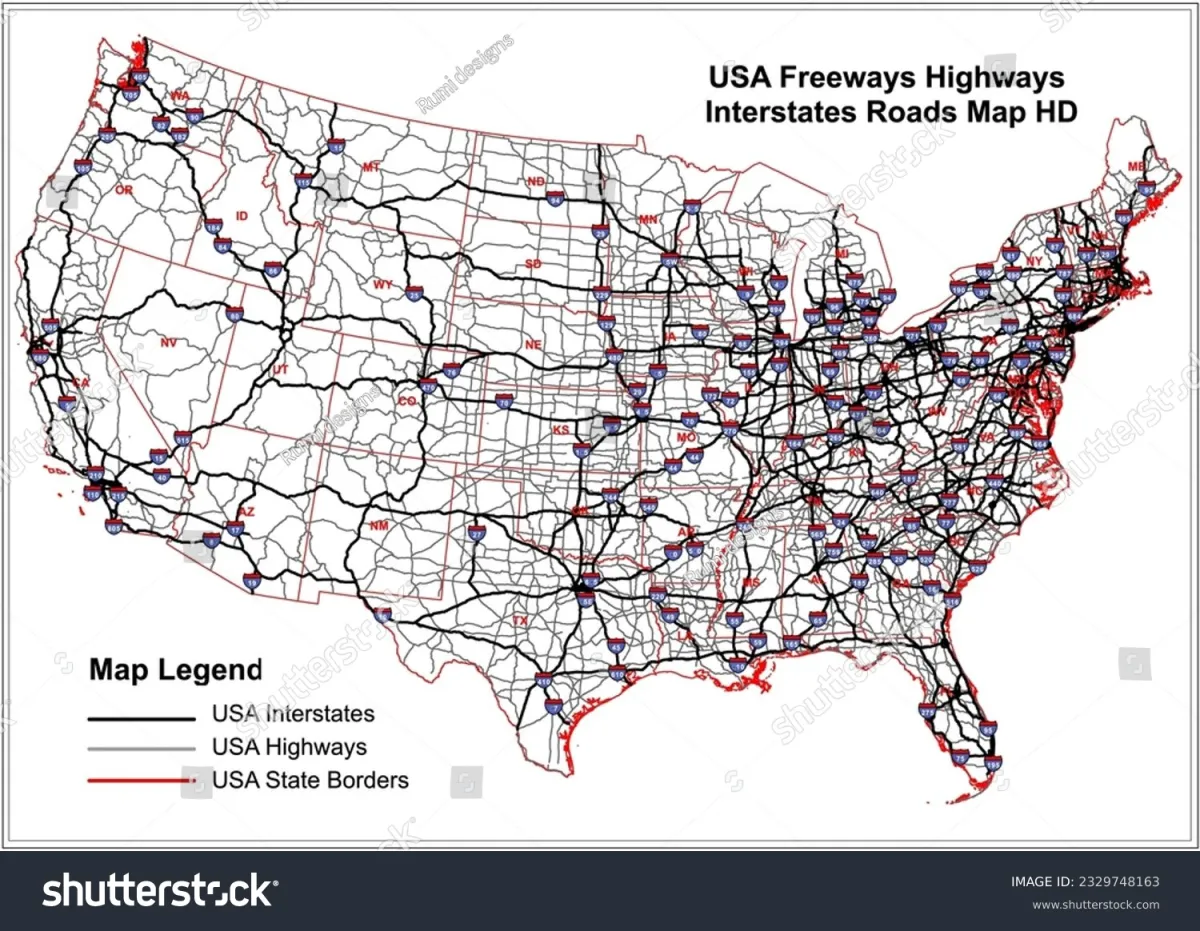 Photo: Interstate Highway System, via www.shutterstock.com
By the 1960s, the branch lines were disappearing at a startling rate. Towns that had once had daily train service found themselves suddenly without it, often with very little warning and no obvious replacement. The depots closed. The tracks were pulled up or left to rust. The platforms were demolished or converted to other uses.
When Amtrak was created in 1971 — a federal attempt to preserve some skeleton of national passenger rail — it inherited a drastically reduced network. Many of the routes it took over were already marginal. Over the following decades, budget pressures and political indifference whittled the system down further. Today, Amtrak operates roughly 21,400 miles of routes, and most of them hug the coasts or connect major urban centers. The heartland, by and large, has been left off the map.
The Car-or-Nothing Reality
What replaced the train in rural America was the car — and the assumption that everyone has one, that everyone can drive, and that everyone has access to roads that lead somewhere useful.
For many rural Americans, that assumption holds. But for the elderly, the disabled, the young, and the poor, the disappearance of passenger rail created a mobility gap that has never been adequately addressed. A sixty-five-year-old in a small Nebraska town who can no longer drive safely doesn't have a train option. She doesn't have a bus option in most cases, either. She has neighbors who can give her a ride, or she stays home.
The economic consequences ripple outward from there. Towns without reliable transportation connections struggle to attract workers and businesses. Young people who want access to opportunity leave, and many never come back. The isolation that rail once interrupted becomes self-reinforcing.
What Europe Kept That America Discarded
It's instructive to look at what was happening on the other side of the Atlantic during the same period. European nations — France, Germany, Switzerland, Japan — made deliberate public investments in passenger rail infrastructure, particularly after World War II. High-speed rail networks now connect cities in ways that make short-haul flying feel unnecessary. Regional rail still reaches into smaller communities with a frequency and reliability that would seem extraordinary to most rural Americans.
This wasn't inevitable. It was a choice. The United States made a different choice, repeatedly and over many decades, to prioritize road infrastructure and private automobile ownership over shared rail access.
A Platform That's Still Standing
In hundreds of small American towns, the old train depot still stands. Some have been converted to restaurants, museums, or community centers. Some are just empty, their windows boarded up, their platforms overgrown. They're time capsules from an era when the logic of American mobility looked completely different — when where you lived didn't determine whether you could go somewhere else.
The tracks are mostly gone. The schedules are a memory. But the buildings remain, and if you know what you're looking at, they tell a story about a country that was once far more connected than it realizes — and far more isolated than it needs to be.