America's Original Everything Store: When the General Store Was the Heart of Every Community
The Universe in 1,200 Square Feet
Step into a general store in 1920s America, and you'd encounter something that would make today's big-box retailers seem almost quaint: a single room that contained everything a community needed to survive and thrive. Flour barrels stood next to horse harnesses, patent medicines shared shelf space with penny candy, and the latest letters from the outside world waited in wooden postal boxes behind the counter.
This wasn't just retail — it was the beating heart of American community life, compressed into a space smaller than most modern suburban garages.
The Original One-Stop Shopping Experience
The American general store was born from necessity and geography. In an era when most people lived in rural areas or small towns, traveling to multiple specialized shops wasn't just inconvenient — it was often impossible. The nearest city might be a day's journey by horse and wagon, making the general store the only practical source for life's essentials.
But calling it "one-stop shopping" undersells what these establishments actually provided. They were grocery store, hardware shop, pharmacy, post office, bank, and social club all rolled into one. The proprietor might sell you a pound of coffee in the morning, cash a check at noon, and hand you a letter from your cousin in Chicago by evening.
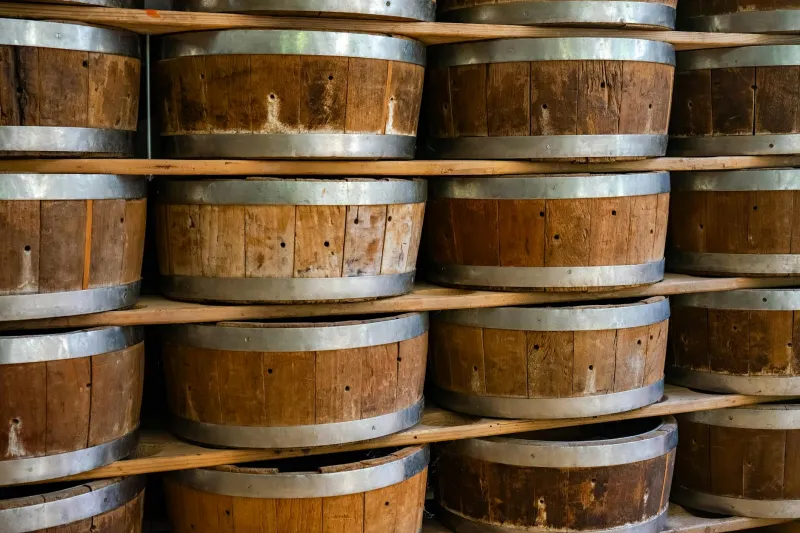
The inventory was staggering in its diversity. A typical general store stocked thousands of items: everything from needles and thread to plowshares and patent medicines. Bolts of fabric hung from the ceiling, while barrels of pickles, crackers, and molasses crowded the floor. Glass jars filled with candy tempted children, and shelves groaned under the weight of canned goods, tools, and household necessities.
The Proprietor as Community Cornerstone
The general store owner occupied a unique position in American society. Part merchant, part banker, part news anchor, and part social worker, they were often among the most influential people in small-town America.
These proprietors knew their customers intimately — not just their purchasing habits, but their family situations, financial struggles, and personal dreams. They extended credit during tough times, held packages for traveling customers, and served as informal counselors for community disputes.
The store owner was also the town's information hub. They knew who was hiring, who was selling land, and which families needed help. Before radio and television, the general store was often where news from the outside world first arrived and where local gossip was sorted, verified, and distributed.
Credit, Community, and the Tab System
Long before credit cards, general stores operated on a system of personal trust and handwritten ledgers. Most customers bought on credit, with purchases carefully recorded in bound books that tracked every family's account.
Settling up might happen monthly, seasonally, or after harvest — whenever cash became available. This system required deep knowledge of each customer's character and circumstances. The store owner had to judge not just ability to pay, but willingness to pay, often extending credit to families facing genuine hardship.
This credit system created powerful community bonds. Customers weren't just buying goods — they were participating in a web of mutual obligation and trust that held rural communities together.
The Social Heart of Small-Town America
General stores served as unofficial community centers. The area around the potbellied stove became the town's parliament, where men gathered to discuss politics, weather, and local affairs. Women exchanged recipes and family news while shopping for household goods. Children pressed their noses against candy jars and absorbed adult conversations that shaped their understanding of the wider world.
These gatherings weren't just social — they were essential for community coordination. Plans for barn raisings were hatched around the cracker barrel. News of illness or death spread from the store's front porch. Political opinions were formed and tested in conversations that might last for hours.
The Beginning of the End
The decline of the general store began in the 1920s and accelerated after World War II. Several forces conspired against these community anchors: the rise of the automobile, which made travel to larger towns feasible; the growth of chain stores with their economies of scale; and the increasing specialization of retail.
Supermarkets offered better selection and lower prices for groceries. Hardware stores provided more tools and supplies. Department stores in nearby cities promised fashion and variety that no general store could match.
The final blow came from changing American lifestyles. As people moved to suburbs and began working in cities, the intimate community bonds that made general stores possible began to fray. Shopping became less about relationships and more about convenience and price.
What Walmart Couldn't Replace
Today's big-box retailers promise the same "everything under one roof" concept that made general stores successful, but they've lost something essential in translation. A modern supercenter might stock 100,000 different items compared to the general store's few thousand, but it can't replicate the personal relationships and community knowledge that made those old stores irreplaceable.
The teenage cashier at Walmart doesn't know that Mrs. Johnson's arthritis is acting up, that the Miller family is struggling since the factory closed, or that young Tommy Henderson has been saving his allowance for a new fishing rod. This kind of intimate community knowledge — and the care that came with it — simply can't scale to modern retail.
Digital Echoes of the General Store
Interestingly, the internet has recreated some aspects of the general store experience. Online marketplaces like Amazon promise infinite selection and one-stop shopping. Social media provides the community connection and information sharing that once happened around the potbellied stove.
But these digital approximations miss the physical presence and face-to-face relationships that made general stores genuine community institutions. You can't shake hands with an algorithm or build trust with a chatbot.
The Last of Their Kind
A few genuine general stores still survive, mostly in remote rural areas where geography still makes them necessary. These holdouts offer a window into what American commerce once looked like — and what we've lost in our rush toward efficiency and scale.
Visiting one of these surviving stores is like stepping into a time machine. The same mix of practical goods and impossible inventory. The same sense that this single room contains everything a community needs to function. The same feeling that shopping here is about more than just buying things — it's about maintaining the connections that make a place feel like home.
The Price of Convenience
The transformation from general stores to big-box retailers reflects broader changes in American society. We've gained selection, efficiency, and lower prices. But we've lost the deep community connections that once made commerce about relationships as much as transactions.
In an age of online shopping and contactless payments, perhaps there's wisdom in remembering when buying a pound of flour meant catching up with your neighbors, and when the person who sold you your groceries also held your mail, extended your credit, and knew your family's story by heart.